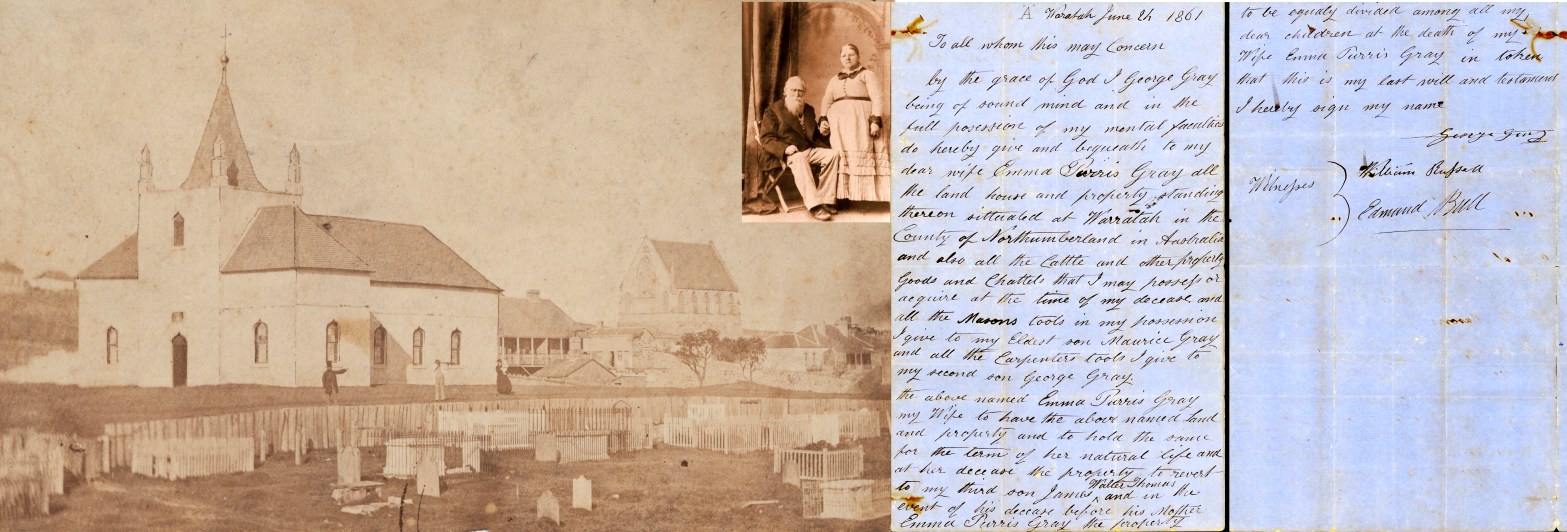
There are no records for George Gray at the Folly aside from his indenture paperwork for the purchase of his land, his children’s births and his own death certificate. His death certificate does however give a little insight into George in that it states he had ‘heart illness’ for the final three years of his life. One would think that this would have impacted his capacity to undertake physical labour himself. There are reminiscences of George Gray’s children and grandchildren and those of Edmund Bull’s family, along with others that lived as early settlers in ‘the folly’ area which give us a little ore insight into George Gray and his family.
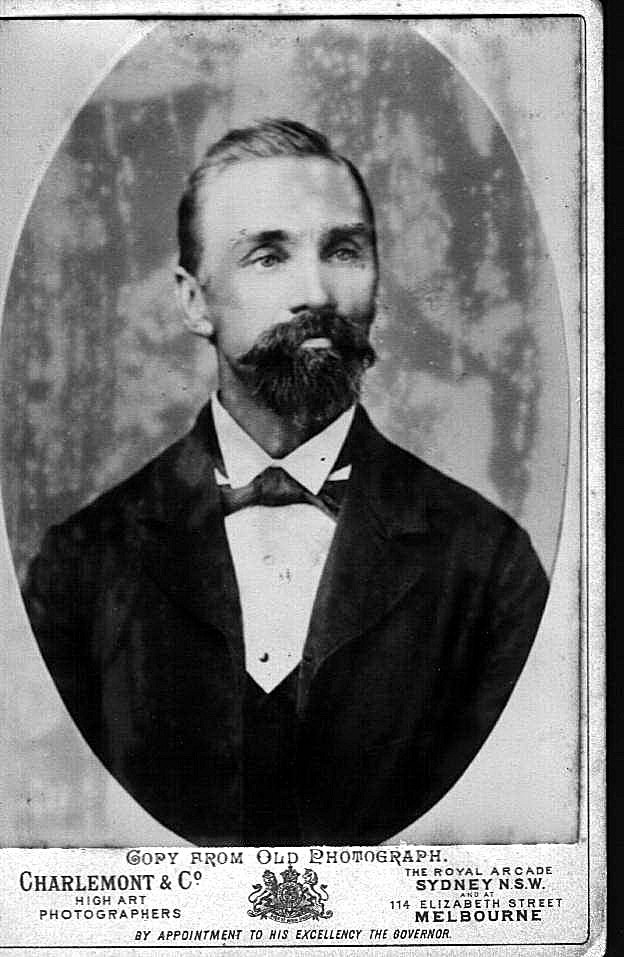
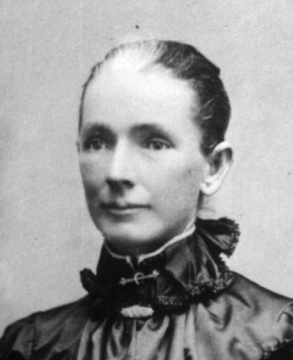
This photograph was scanned from Georgina Grierson nee Gray’s photo albums by Bob and Bill Gray. Unfortunately the albums were lost in floods. No name was on the photo but is is believed to be George Gray copied from an old photograph likely by Georgina Gray who kept beautiful albums. Caption under photograph states: COPY FROM OLD PHOTOGRAPH, the photographer ‘Charlemont & Co’ active in Sydney in the 1880’s onwards.
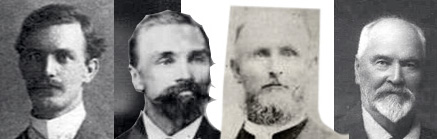
Newcastle in the 1850’s & 1860’s – George Abner Gray Journal
George Abner Gray devotes about eight pages in his journal to his recollections of the folly, Waratah and Newcastle areas from his early life. In his recollections he mentions a number of names associated with early district of Newcastle. Due to having little education and being self taught often the spelling presents a challenge when researching. George Abner started his journal in 1915 when he was 69 years of age, so perhaps it is simply a lapse of memory when a name is almost correct or perhaps as was the case in those times, nicknames were commonly used. As the original journal is not available there is only the transcribed version so it is also possible there are errors within the transcription.
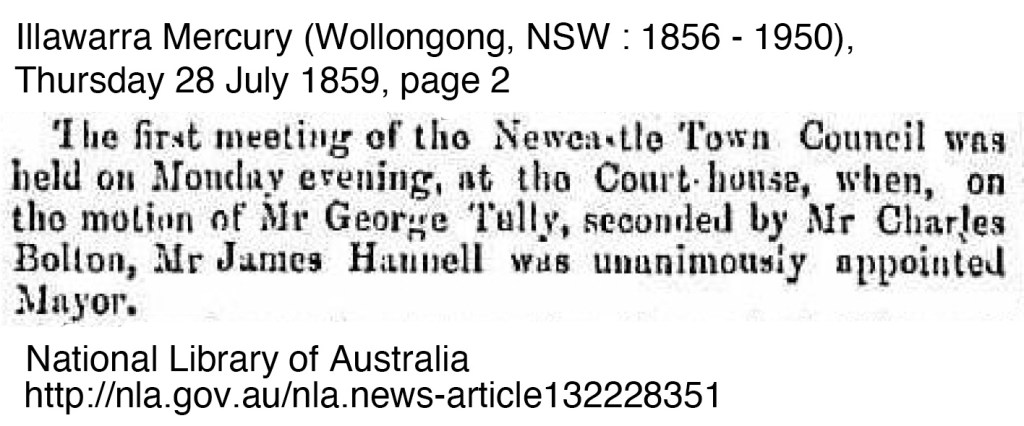
One of the slightly obscure references was to ‘The first man of Newcastle was Josua O’Neil I think’.1 This actually translates to the first Mayor of Newcastle James Hannell.
George Abner goes on: ‘the second Town Clerk was Bob Tye, I forget the first one his brother Hacky Tye married Bella Groves [daughter of Thomas Grove]’.2
It was in fact Robert Henry Tighe who was the first Town Clerk at Newcastle
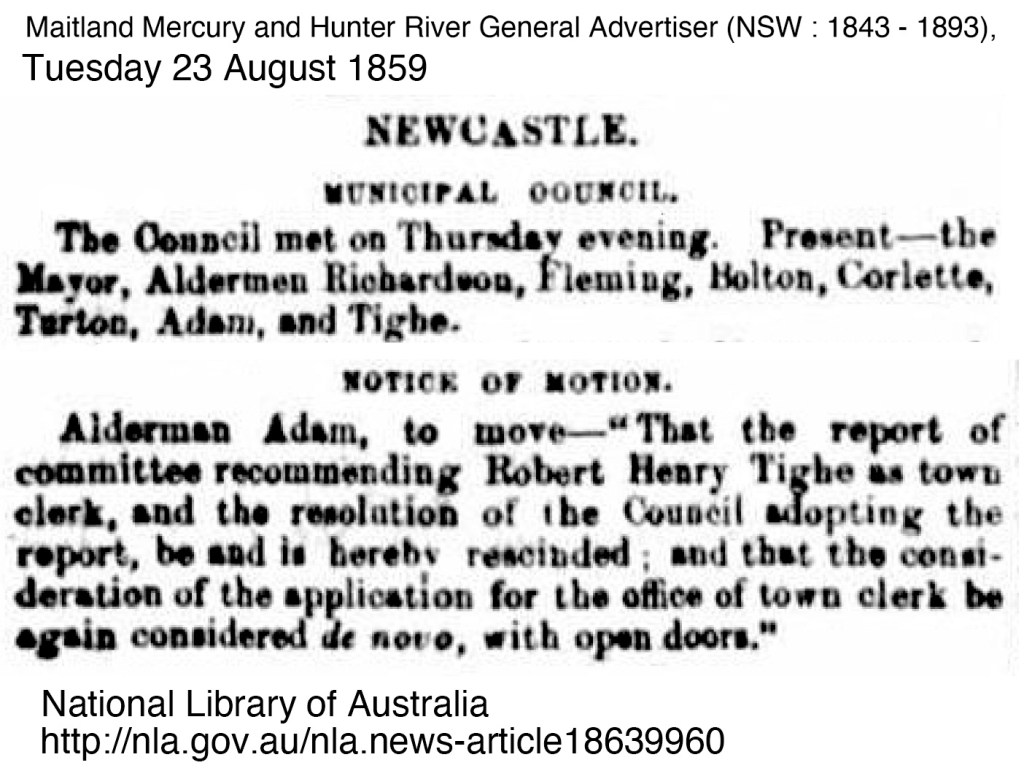
In regards to Thomas Groves: ‘Groves had a small cattle run at what is now Waratah, then called Groves Padock, he used to brand J.V. on the near shoulder of his cattle and duelap them. Groves was a very old identity of Newcastle, he had a public house in the early days. His wife was a Frenchwoman (I could say a lot about them bet declined).’ 3
Bella Gove was Arabella Vine Grove who Atkinson Alfred Patrick Tighe married in 1859.
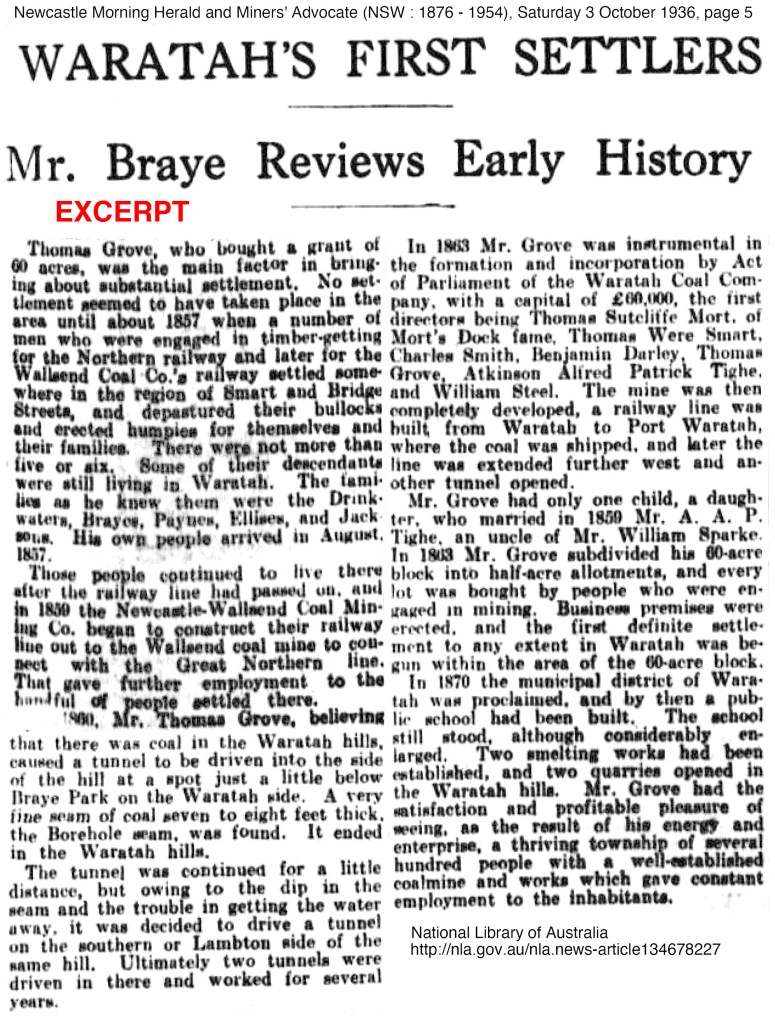
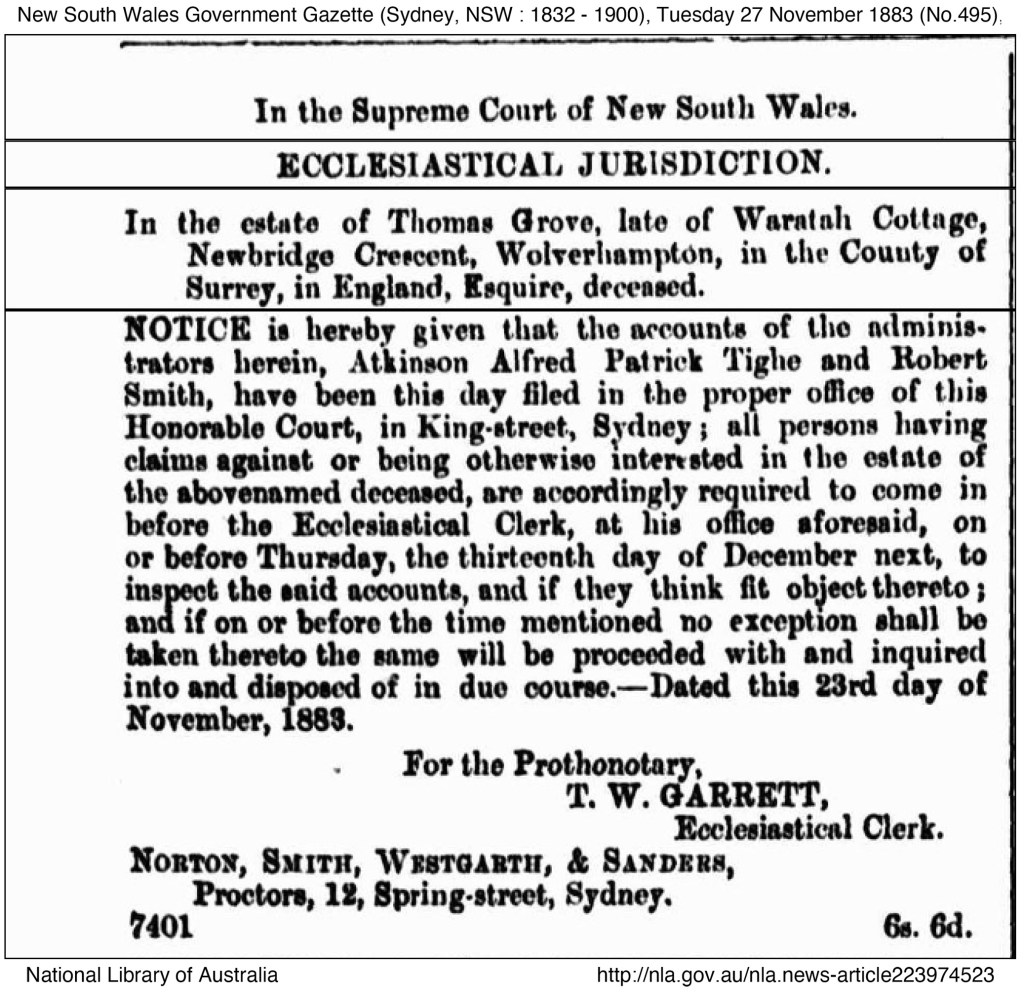
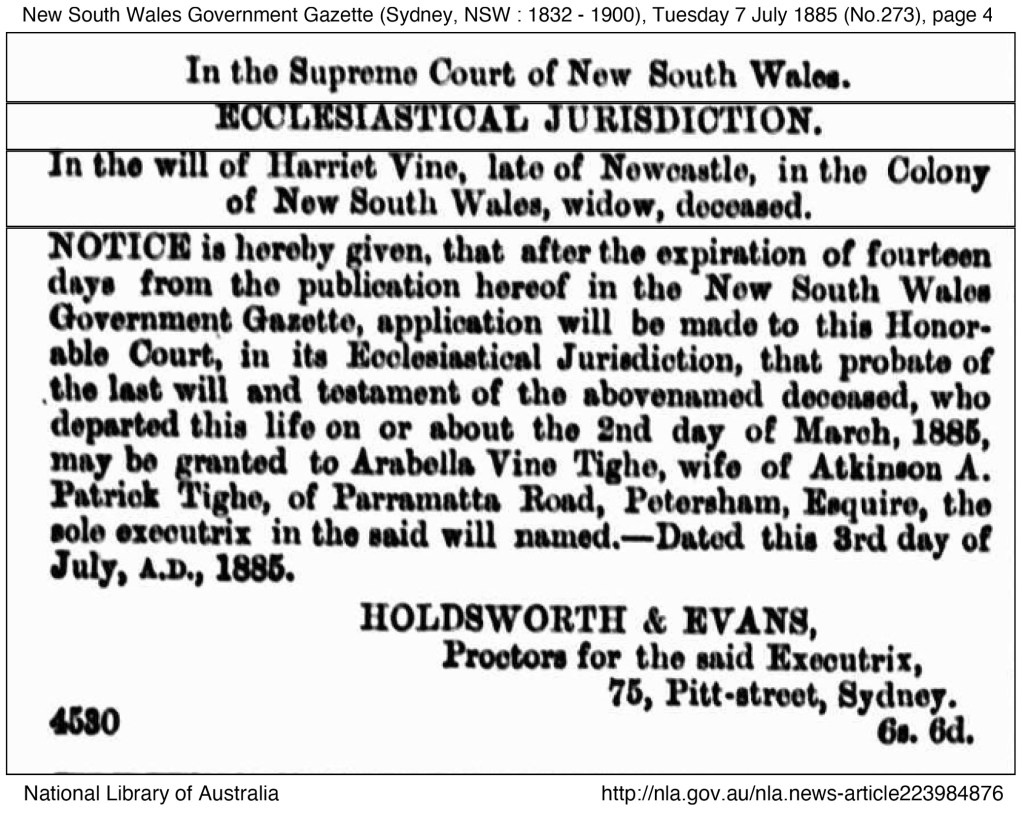
Thomas Grove, like Charles Simpson eventually went back to England in 1867, he died in Wolverhampton on 9 June 1881. Thomas Grove and Harriet Vine nee Middleton went by Mr and Mrs Grove when they were living at Waratah and in Newcastle but they were not married as both had deserted their families in England when they came out to New South Wales. When Thomas Grove returned to England Harriet did not go with him, she died in Newcastle district in 1885. Her Estate was worth £1245 4 and alongside purchasing land in the name of Vine so the recording of her Will and Probate is also under Vine. This may well the ‘could say a lot’ reference George Abner made in his journal. Below are both of their Probate natifications.
Newcastle in the 1850’s & 1860’s – George Abner Gray Journal

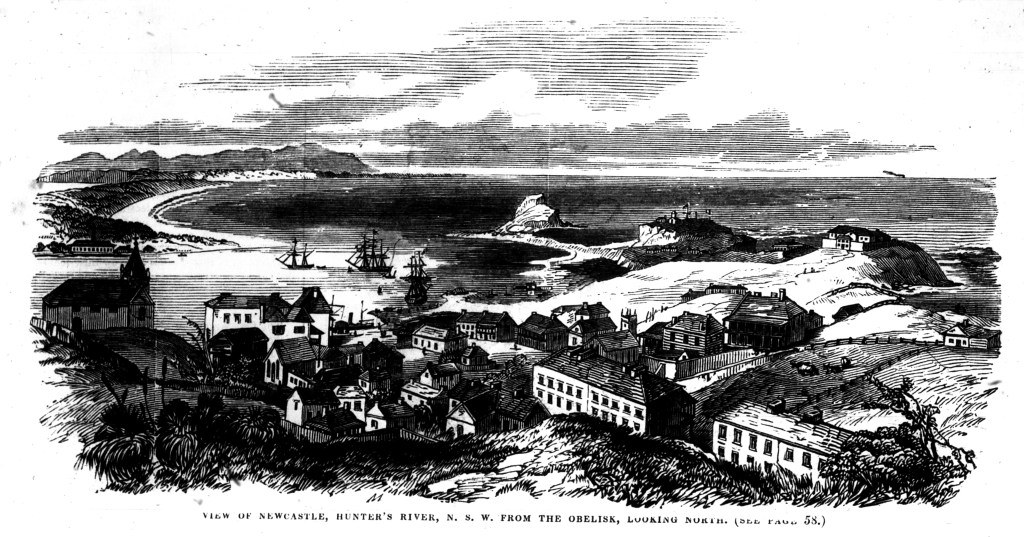
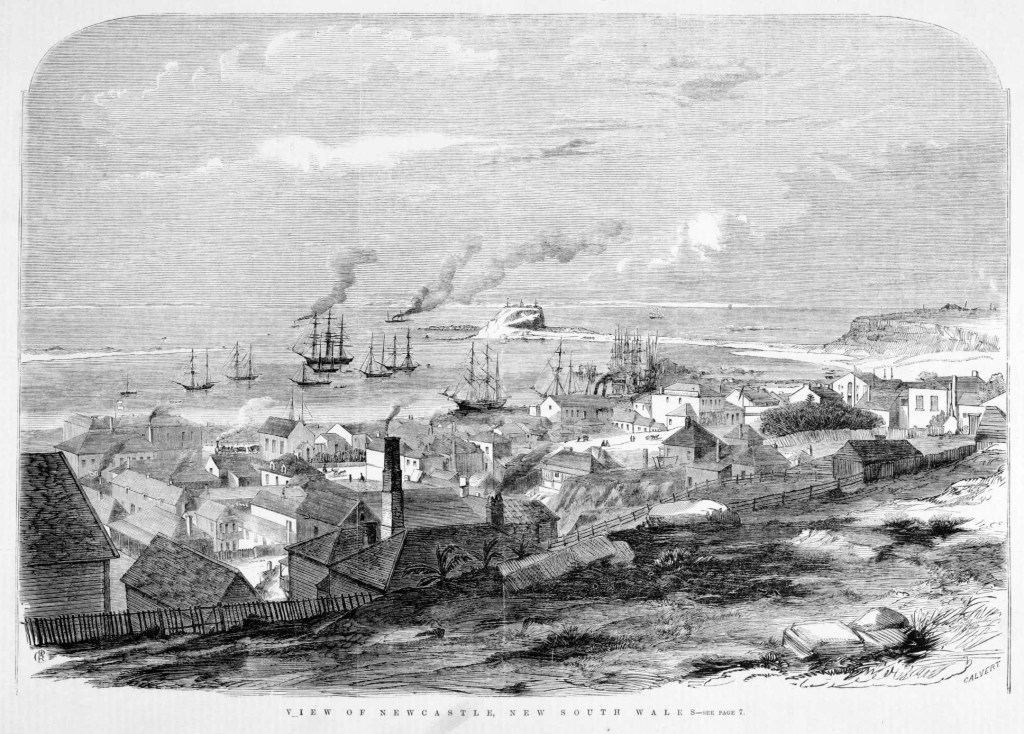
George Abner in his journal speaks of the early life of Waratah referring to packs of native dogs, his friendship with local indigenous people, working with his father with horses, helping others including being a runner to get the doctor when he was needed; ‘Newcastle was only scattered place at that time. Brixton had a store in the mane street, a hollow in the foot path near his dore had a lot of ballast stones placed there to permit any person walking along from stepping into the water, so they used to step from one stone to another to pass over dry footed.
Knox had a chemist shop further up on the opositside of the street near Spongs. Nearly all were later burnt, up to Gentleman Smiths in Watt Street. Gentleman Smith as he was called, used to sell a 200 lb. bag of flower a shilling less than any other person.
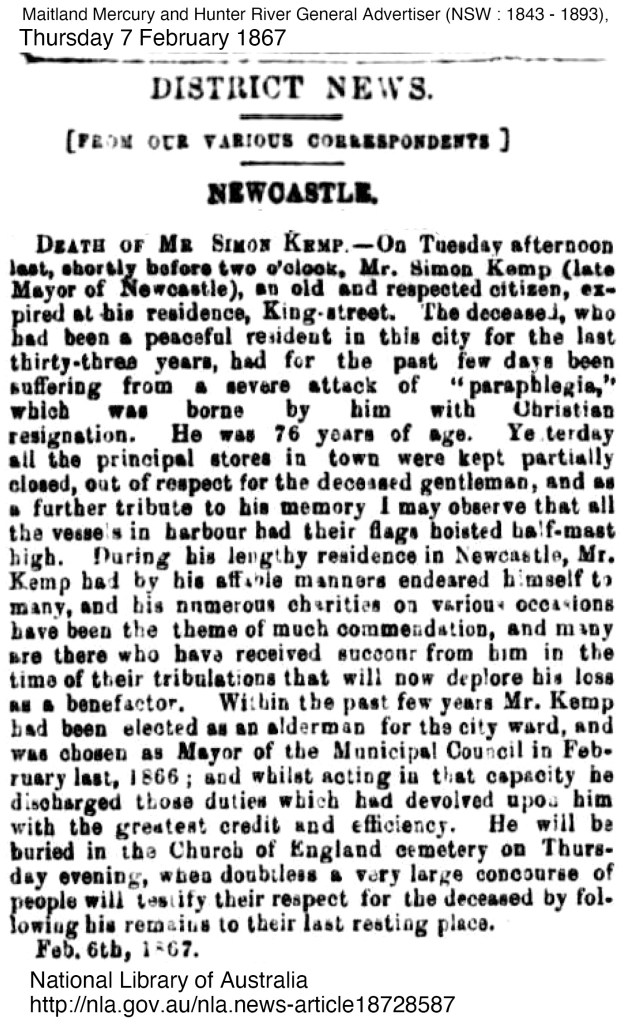
Old Simon Kemp had a place on the hill near Broox close to Boltons.
Bolton gave all the solgers a great spree when they were leaving Newcastle for the Crimin War. They had a jolly time at the function. I saw for the first time Browd Soard Exercises.
The coal trade was brisk and the miners ,made a deal of money mining. At that time we applied all coal to other states only small sailing craft, there were no steamers in the coal trade. All coal was hauled by horses and the skips were hauled up to the shute by horses, they sed to do anything but talk as they were so tied to it.‘ 5
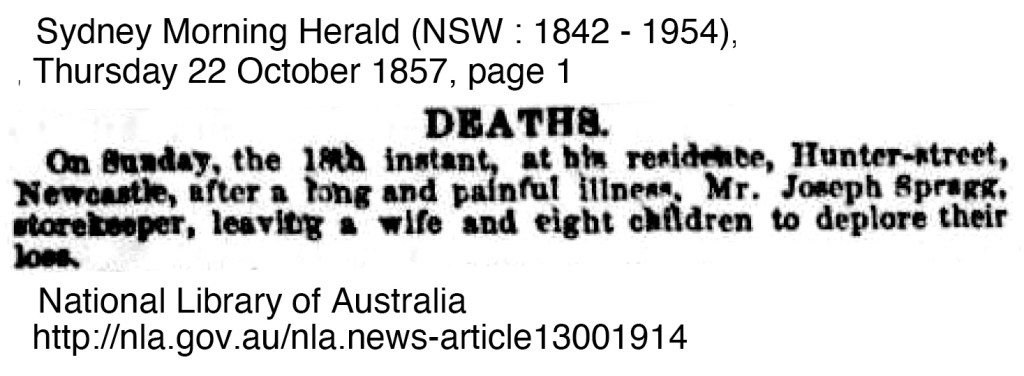
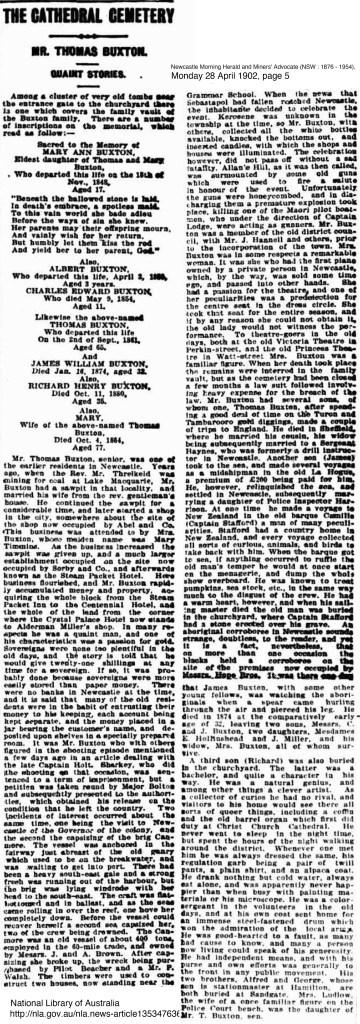
The reference to ‘Brixton’ is likely Buxton who was a storekeeper and well known Newcastle identity as was his wife. ‘Spongs’ was likely Joseph Spragg another storekeeper.
Simon Kemp was along with Charles Bolton discussed previously were also well known early identities.
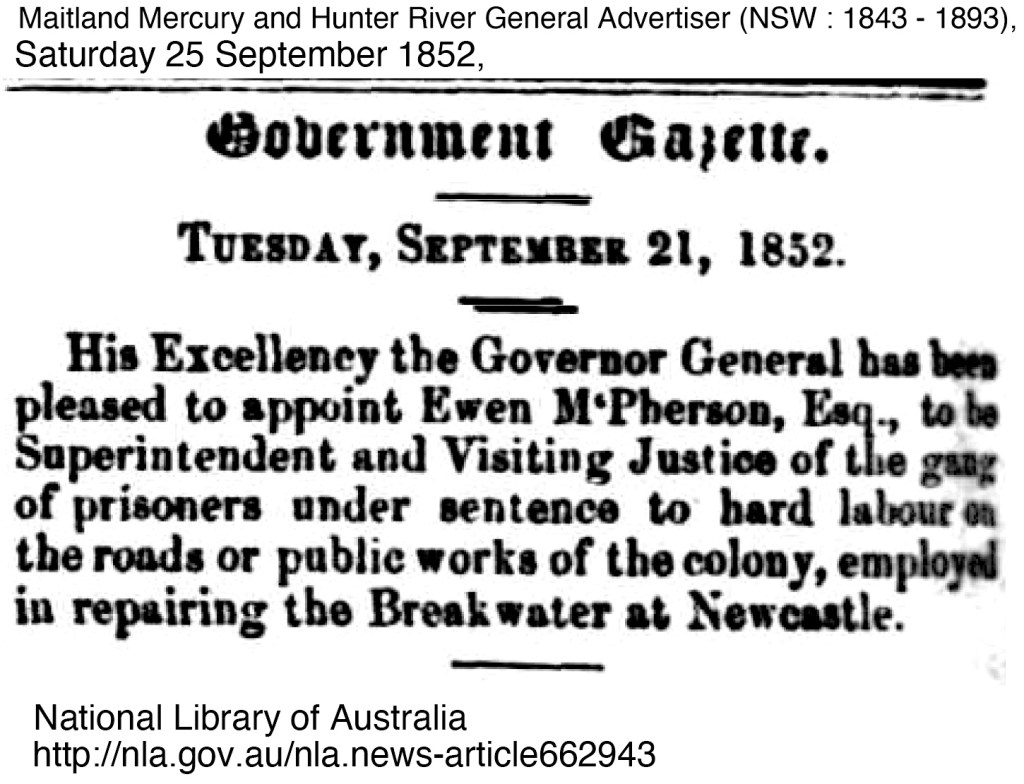
George Abner speaks about the treatment of the ‘Government men’ : ‘A great part of the road between our place and Newcastle was all sand, so the authorities put on Government men to put clay over the sand to form a road.
‘The poor men had a hard time of it, they were treated like dogs. One morning when Parson Wilton was coming past them, they asked him to interseed on their behalf and get better treatment for them. After they had finished speaking he said “You men complaining as you do, its what you deserve, if I had my way I would make you cut down a tree like that before breakfast”, pointing to a a large Woolybut tree and if still standing, that tree is still known only by the name of the Parsons Breakfast Tree – they had no sympathy from him.’ 9
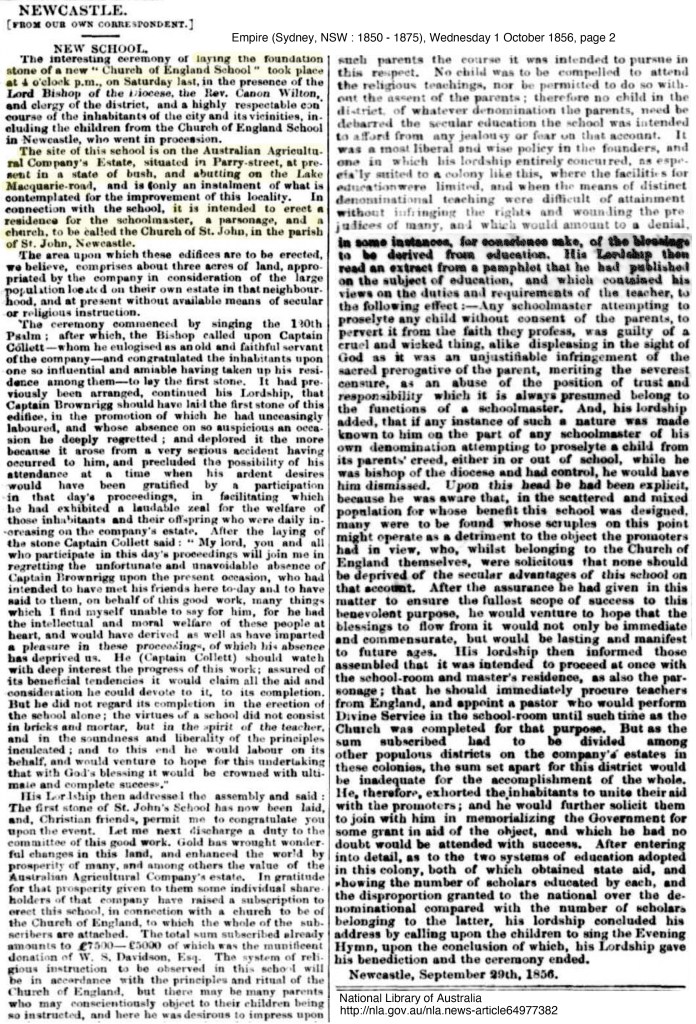
There are numerous references to the use of prisoners to build and maintina roads. Newcastle was opened in 1804 and became the principal place of secondary punishment from 1804 to 1824 and the convicts sent there were employed in coal mining, cedar getting and lime burning.10 George Abner’s reference to the use of ‘government men’ is likely prisoners from the Newcastle Gaol.
Although unable to find any corroboration for this story, Rev Charles Playbell Wilton was the first Presbyterian Minister in Newcastle who had land at Mosquito Island.
A much later newspaper article reporting about Rev Wilton does give a little insight indicating he was a ‘strict disciplinarian, and an ardent believer in the doctrine of the lash’.

In his reminiscences in t 1932 newspaper REF2 George Abner ‘remembers the first council meeting, and when the streets were attended to by prison labor – not the convicts, as they had their tickets-of-leave before he came to Newcastle.’
The Folly, Waratah Community and life in the 1850’s & 1860’s – George Abner Gray
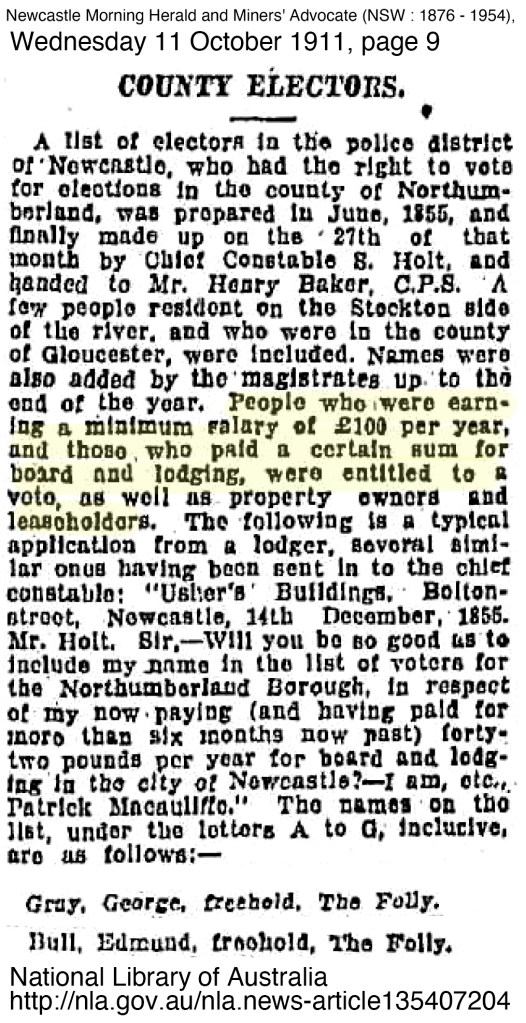
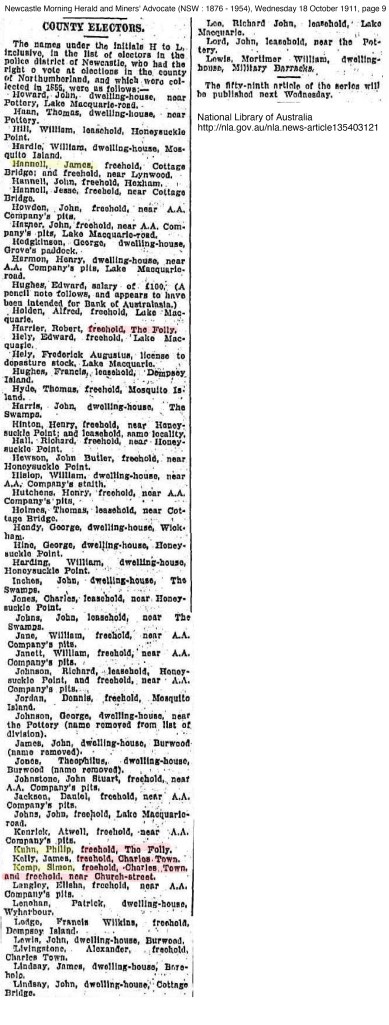
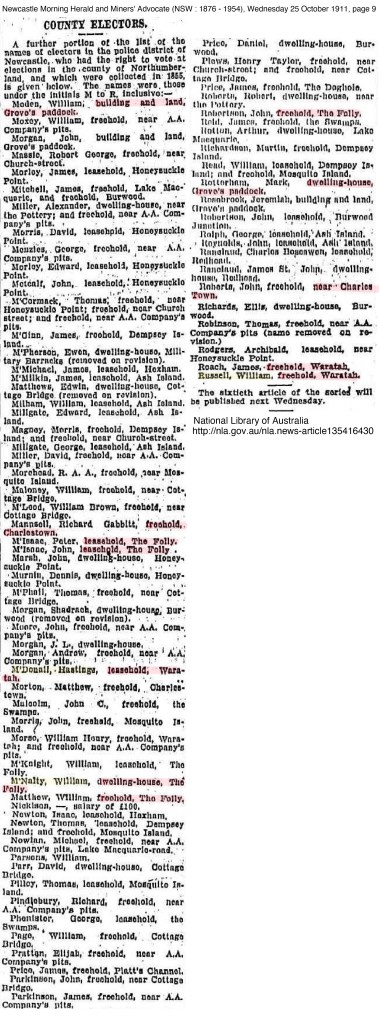
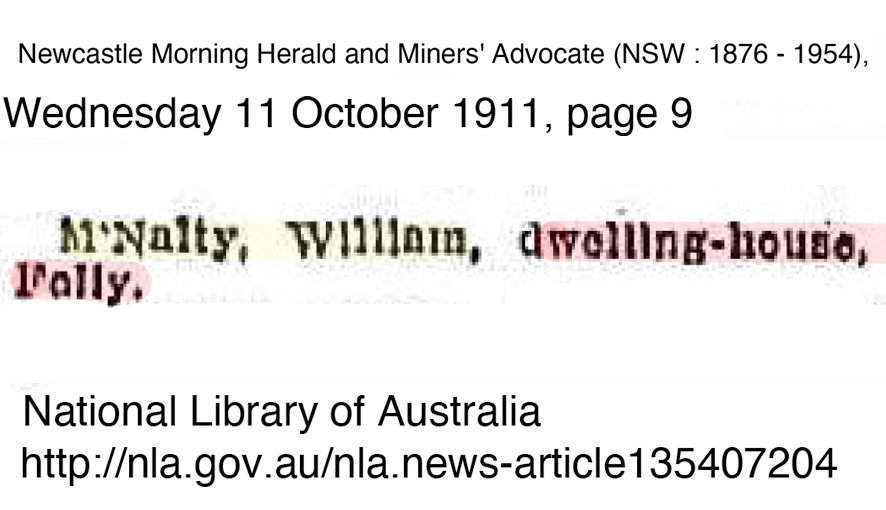
In 1911 the Newcastle Morning Herald and Miners’ Advocate published a series of articles on the history of Newcastle which included the reprinting of the 1855 County Electors Roll.
Although not a comprehensive list of everyone living in the Newcastle and nearby areas, it does provide many names mentioned in memories of the early ‘settlers’.
The list is limited to: ‘People who were earning a minimum salary of £100 per year, and those who paid a certain sum for board and lodging, were entitled to a vote, as well as property owners and leaseholders.’
The first Council was elected in Newcastle in 1859.
Amongst the names are those referred to in George Abner’s journal.

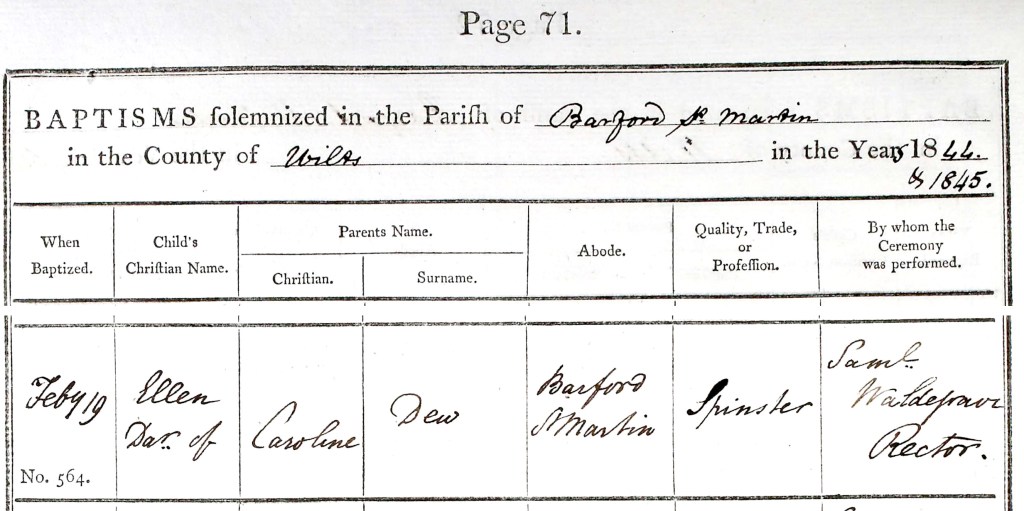
It is interesting to cross reference the writing of George Abner Gray in his journal against documents and newspaper reports. One such even is the death of a young girl who George Abner refers to as ‘Ellen Due’ : ‘If anyone wanted the Doctor, I had to go for him to Newcastle – his name was Dr Bowker, this was before he was married or joined in partnership with Dr Stacey. I remember one night I had to go for him to attend a young woman Ellen Due. I had to go back with him as he used to dispense his won medecine … The medecine did poor Ellen no good for she died the next day and I had to take her into the Newcastle semetery and got five shillings for the job, at that time there were no horses, so we use to take the dead in a dray such as I drove her in at the time.’ 7
Dr Bowker was well known in the Newcastle district both as a doctor and in politics as an MLC. On 11 March 1859 the NSW BDM 4207/1859 records a young girl aged 14 years named Helen Dew died, her mother is recorded as Caroline. George Abner would have himself just been 13 years of age. Caroline Dew married Henry Crowther another well known early settler in Waratah in 1856.
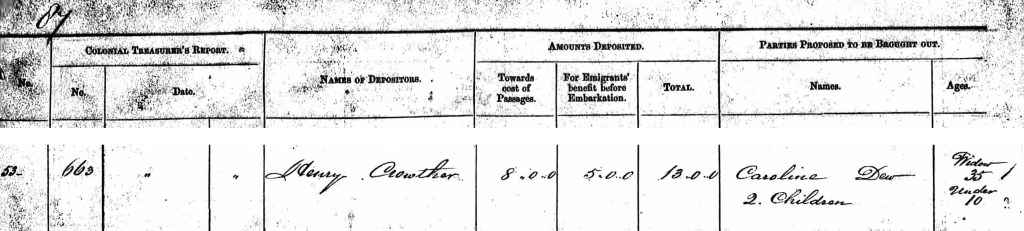
Caroline Dew had two children before she came to New South Wales, Ellen and Frederick Dew who came with her sponsored by Henry Crowther.
Frederick Dew died in 1926 ‘died at the residence of his step-brother, Mr. H. Crouther, at Waratah on Sunday‘.8
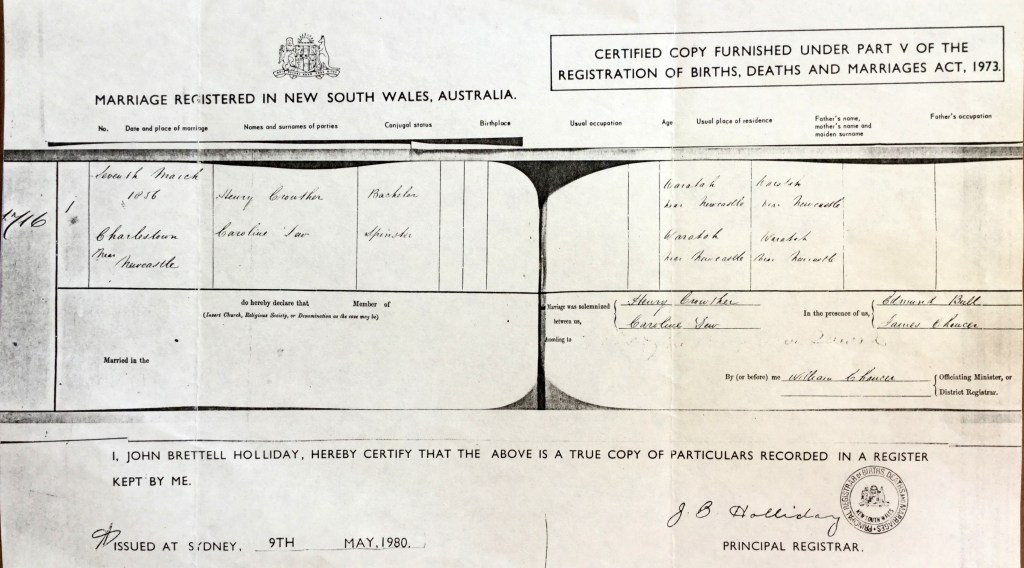
The marriage certificate of Henry Crowther and Caroline Dew shows the interconnectedness of the very small community at the folly. Edmund Bull and James Chaucer (Presbyterian Minister was William Chaucer) were the witnesses for the marriage.
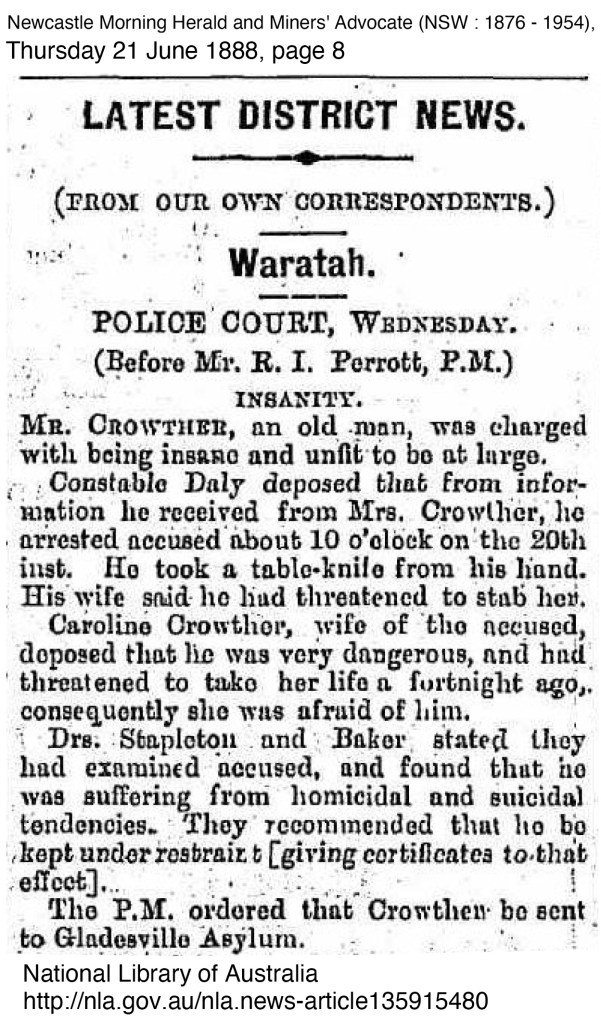
In June 1888 Henry Crowther became very mentally unwell and was admitted to Gladesville Hospital for the Insane after becoming increasingly a threat to his wife Caroline.
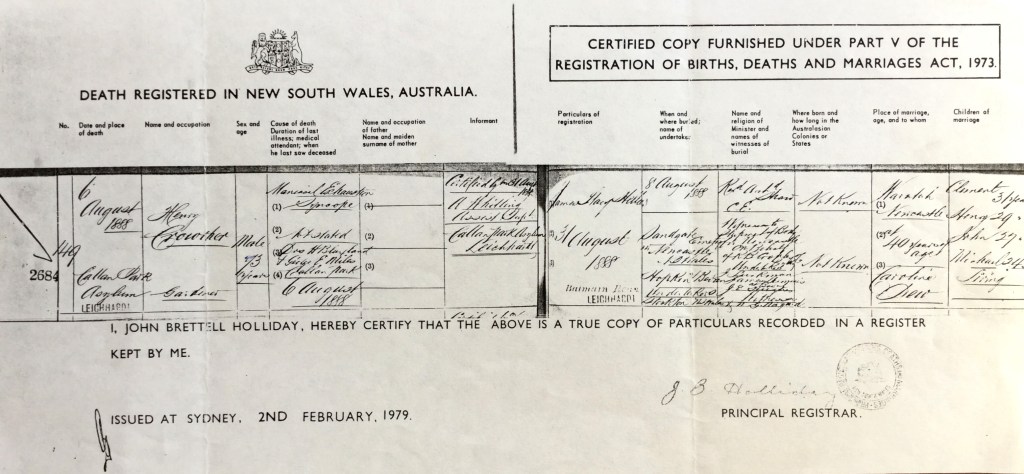
Henry Crowther died on 6 august 1888 at Callan Park Hospital for the Insane.
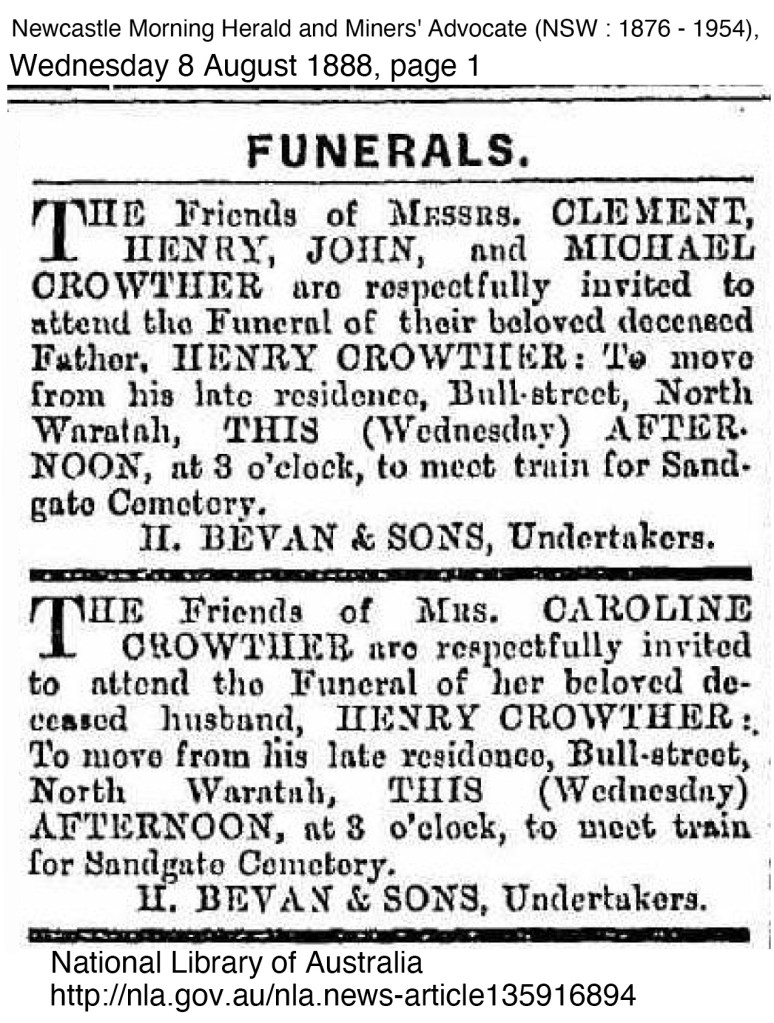
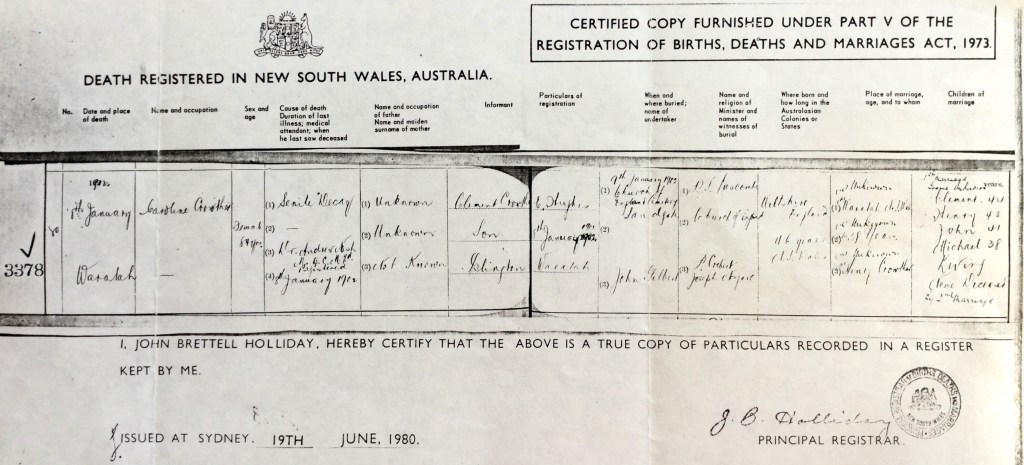
Caroline Crowther died on 8 January 1902, one of the witnesses for her death certificate was Peter Crebert.
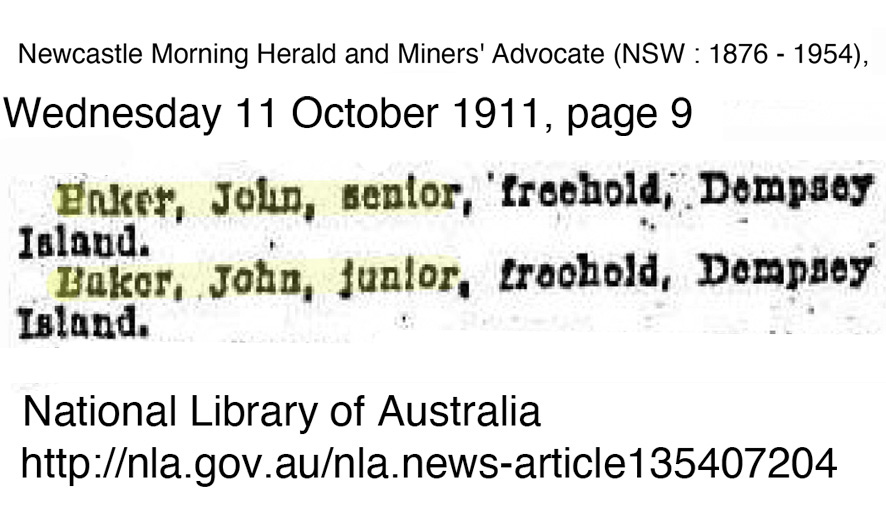
‘I saw an old Bull owned by John Baker that had been atact by the native dogs’12
Both John Baker Snr and Junr were living at Dempsey Island in 1855.
‘After a while people settle round us – one a Mrs Bevin, so as there were several children about, she suggested having a little school. All the children went, my brother was the oldest.’ 13
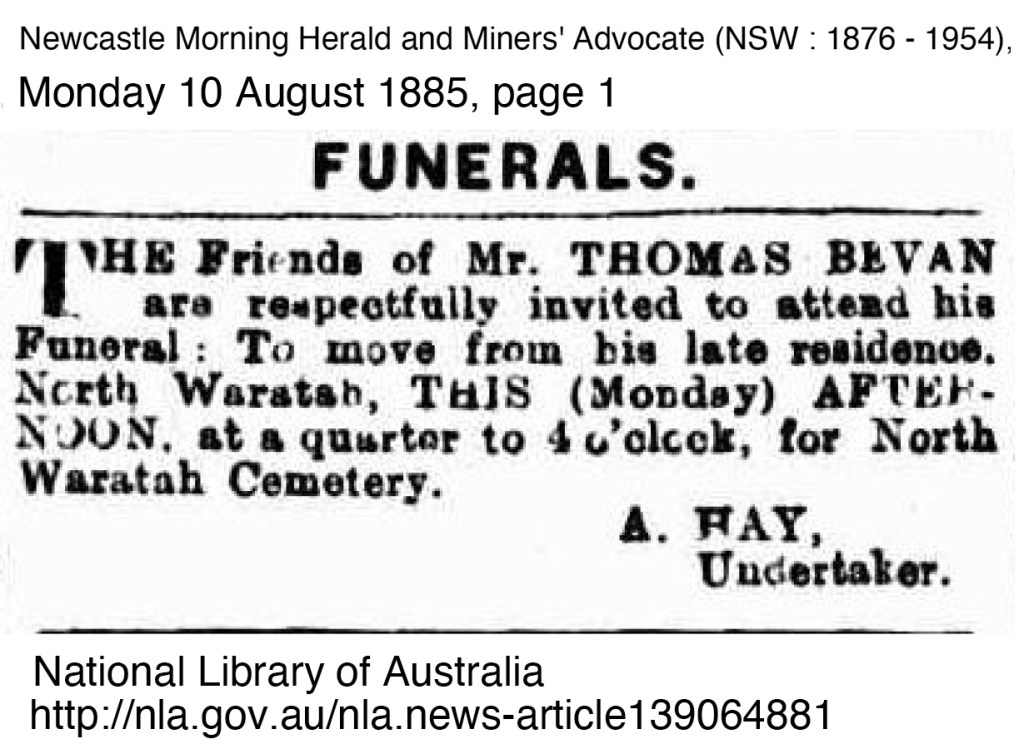
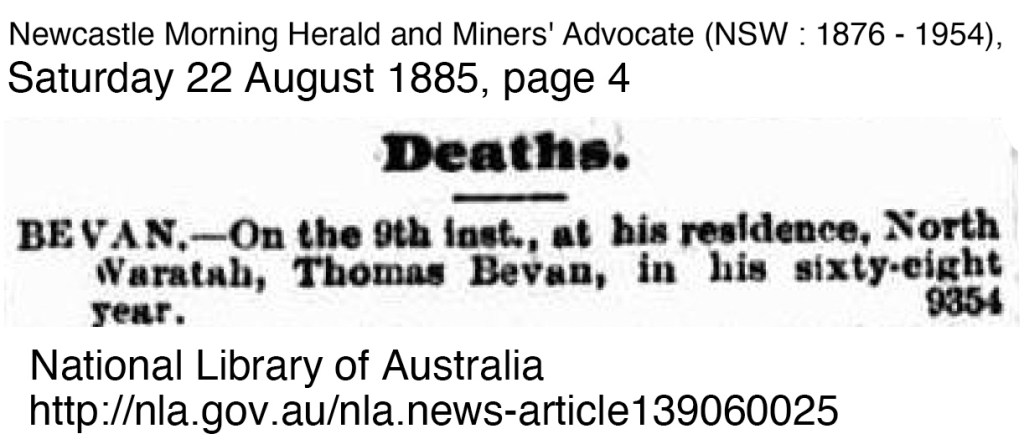
Thomas and Ann Bevin were from Wales and lived in Crebert Street in North Waratah.
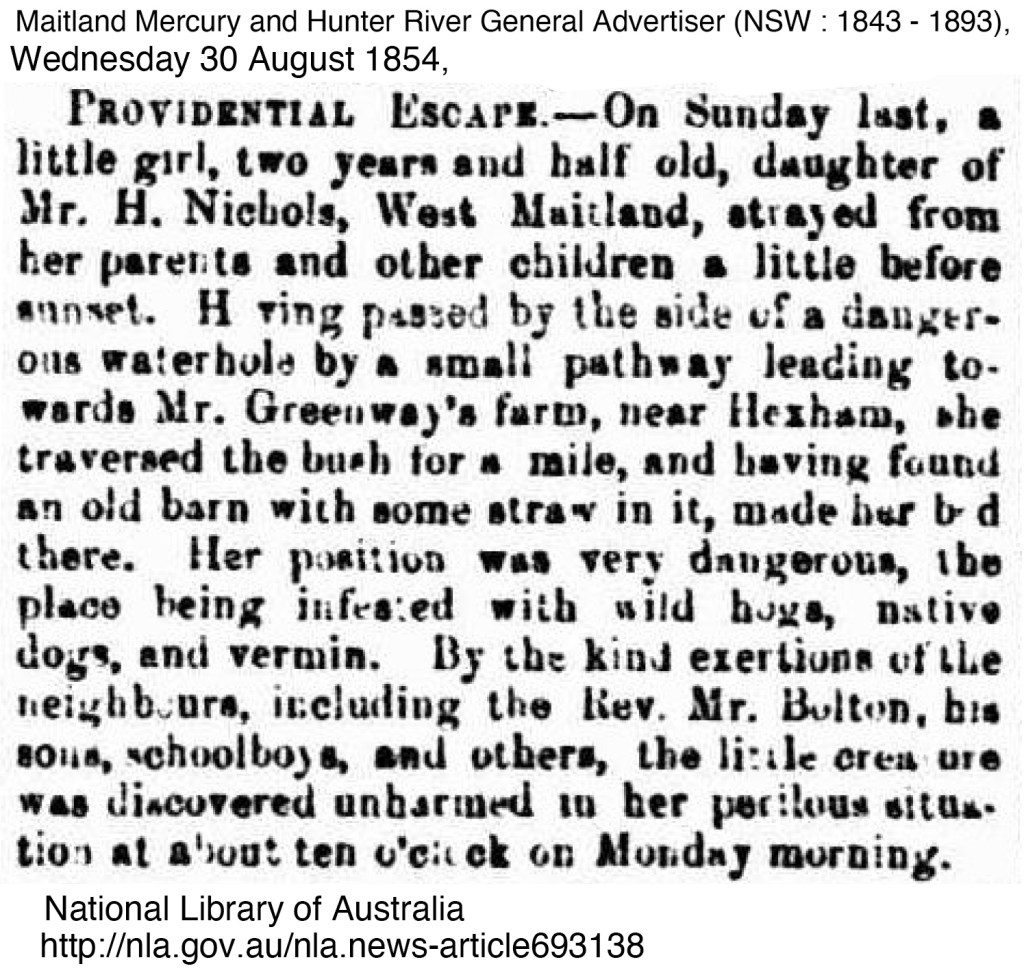
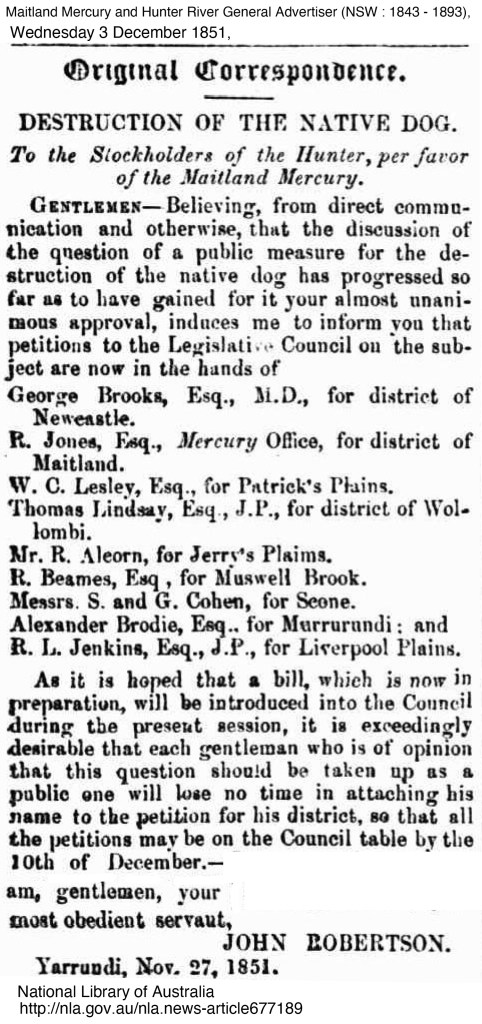
There are small asides in George Abner’s journal including this one about native dogs: ‘The native dogs were as numerus as grasshoppers, you see them at day time as well as night.’ 6
As seen in these two newspaper reports native dogs were considered a problem for early settlers and in fact for children.
‘We had a garden of fruit and I used to go round the mines with our dray selling fruit. I used to do well and like the job. A Mrs McNultie, a neighbour, had vegetable and she used to go with me in the dray. She was a darn good woman from France.’ 14
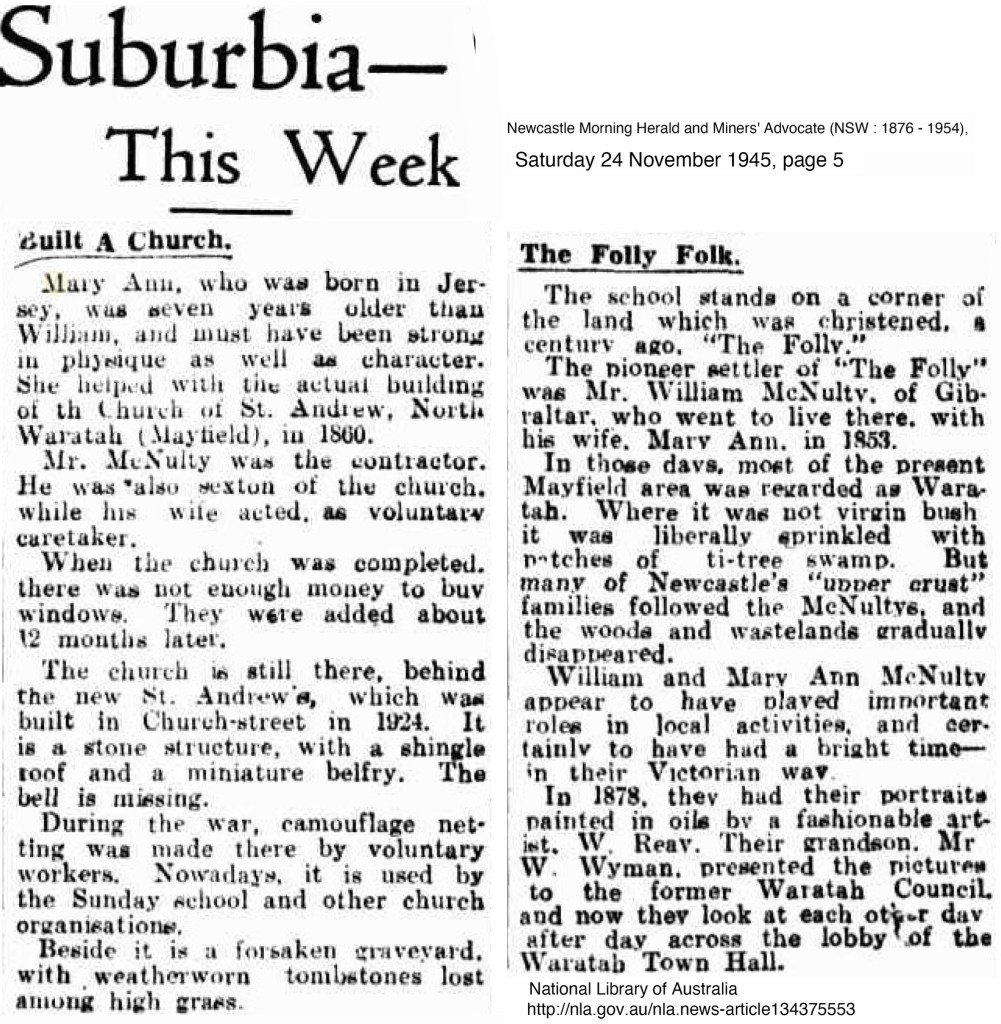
In 1853 William and ‘Margaret’ actually Mary Ann McNulty, immigrated to New South Wales on the ‘Agricola’ with their daughter Mary Ann. William was born in Gibralter and Mary Ann on the Jersey Islands. This corroborates George Abner’s journal in that they speak French and English on the Islands which are off the coast of France.
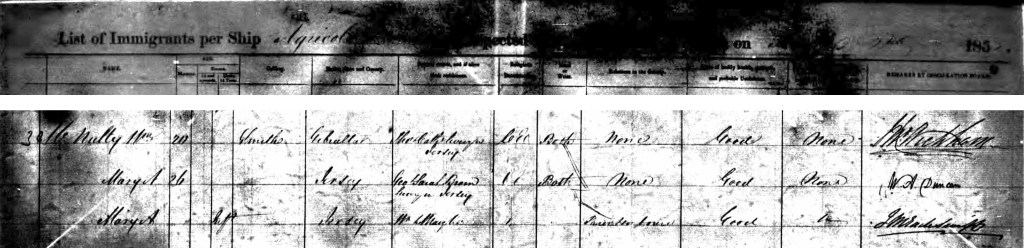
William McNulty’s trade on his immigration paperwork was a ‘Smith’.
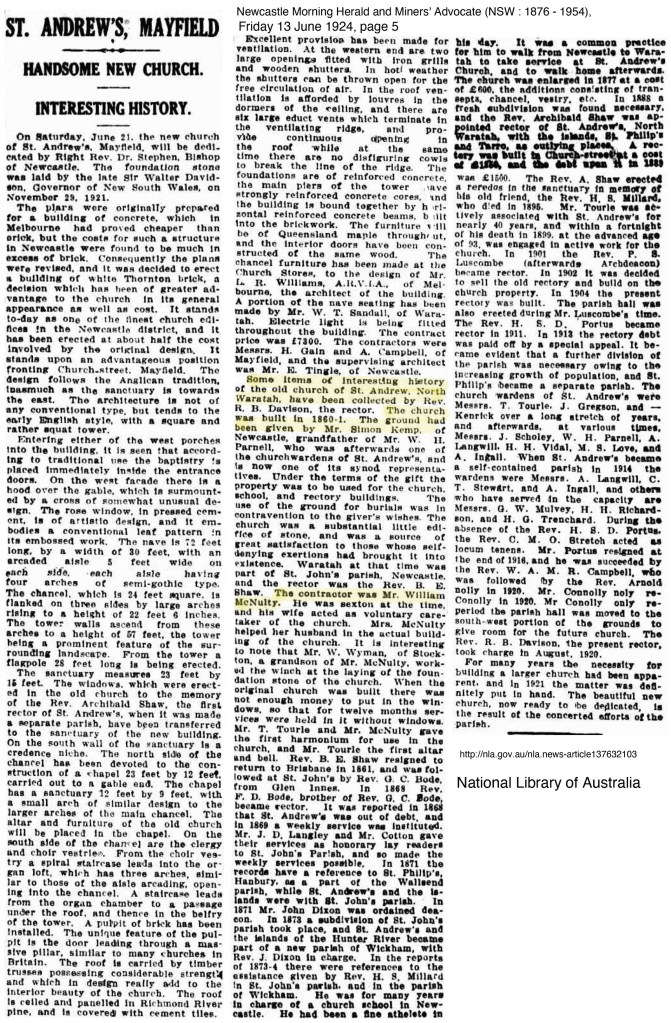
The original old church at Waratah was built in 1860 -1861 and the contractor was said to be William McNulty. Many of the names associated with the early years at the folly were linked to this church including Thomas Tourle and even ‘Mrs McNulty [who] helped her husband in the actual building of the church.’
A photograph of the Old St. Andrew’s Church of England, Mayfield, NSW, build in 1861, [taken in the early 1900s] can be seen at Hunter Living Histories.
In his journal, George Abner tells of when the McNulty’s young daughter fell in a deep water hole: ‘I was chopping weeds in the garden near the water hole which was about 5 feet deep at one end and the other shallow. All at once I missed her and I ran to teh hole and there saw her lying on the sand at the bottom.’ George Abner rescued the young girl and was later thanked by her mother.
A small article appeared about the McNulties in 1945 which includes another reference to an artwork – portraits of William and MAry Ann McNulty which were also presented to the Waratah Council.
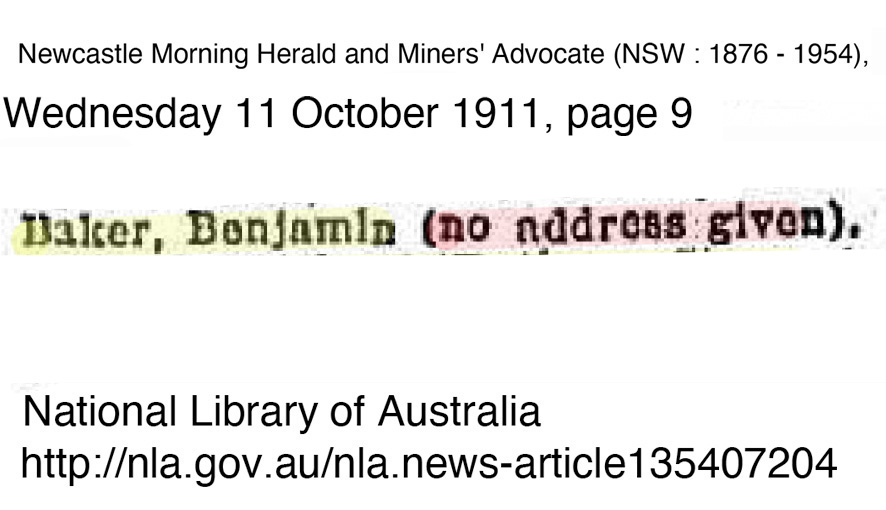
As seen in the previous chapter about Charles Simpson small allotment, Benjamin Baker was another original settler who purchased a small allotment from Charles Simpson in 1854.
On 10 March 1855 Ben Baker sold 5acres of Allotment 59 for £7 ½ to William McNulty. The Indenture is Book 54 Number 531 in the Land Titles Records.
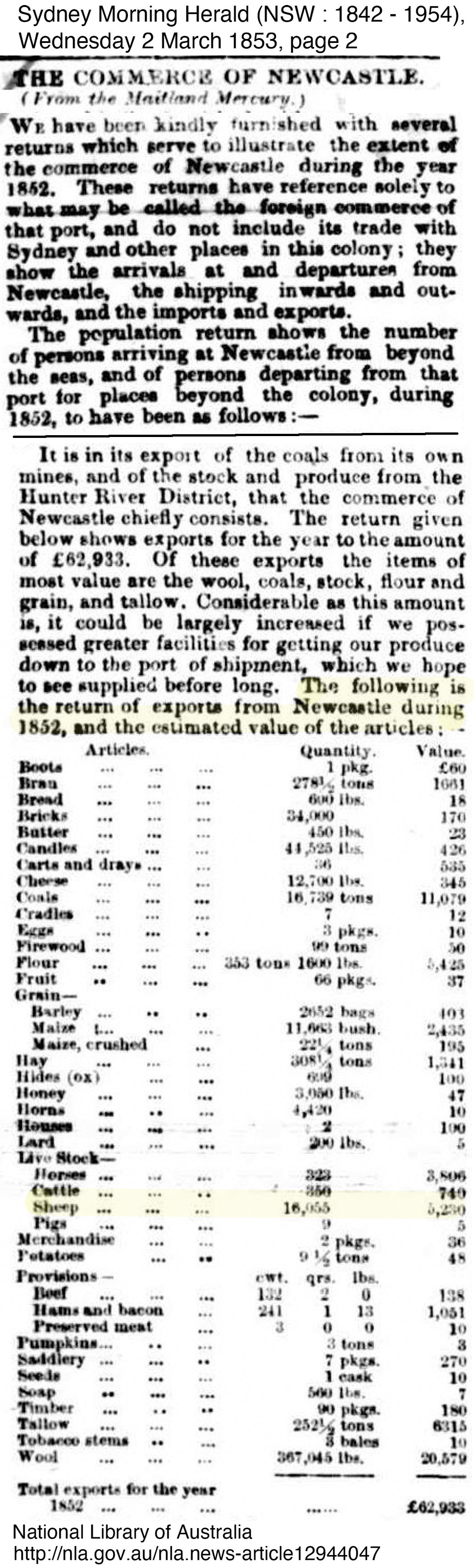
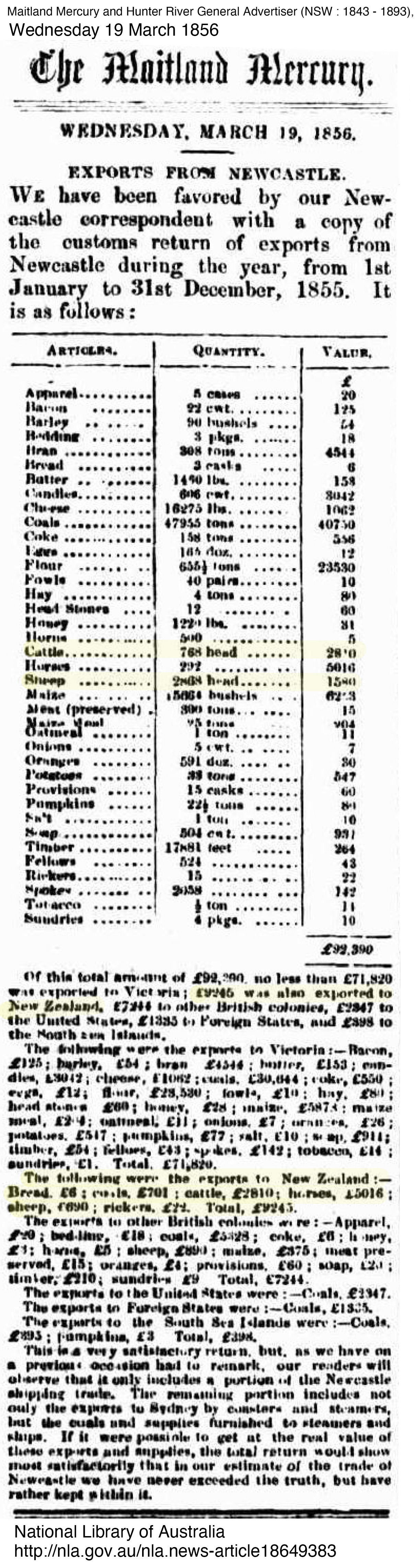
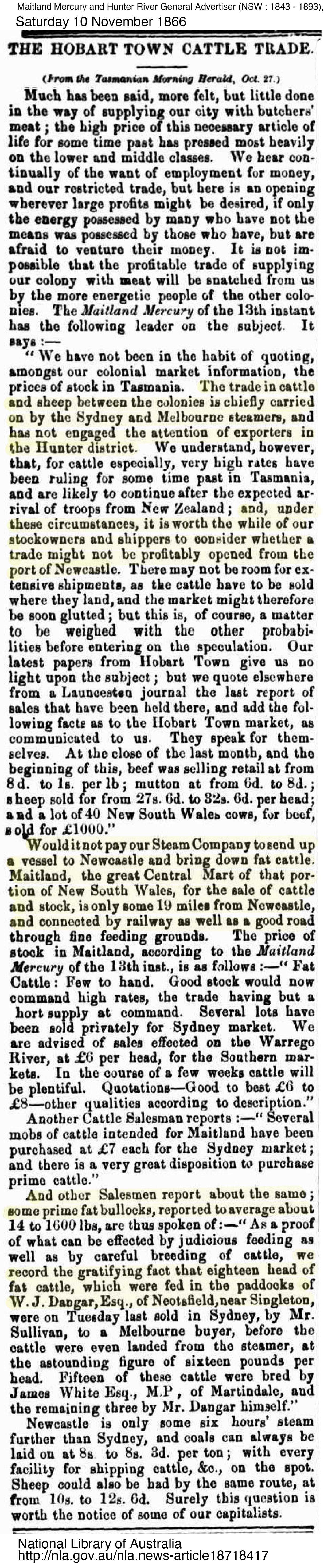
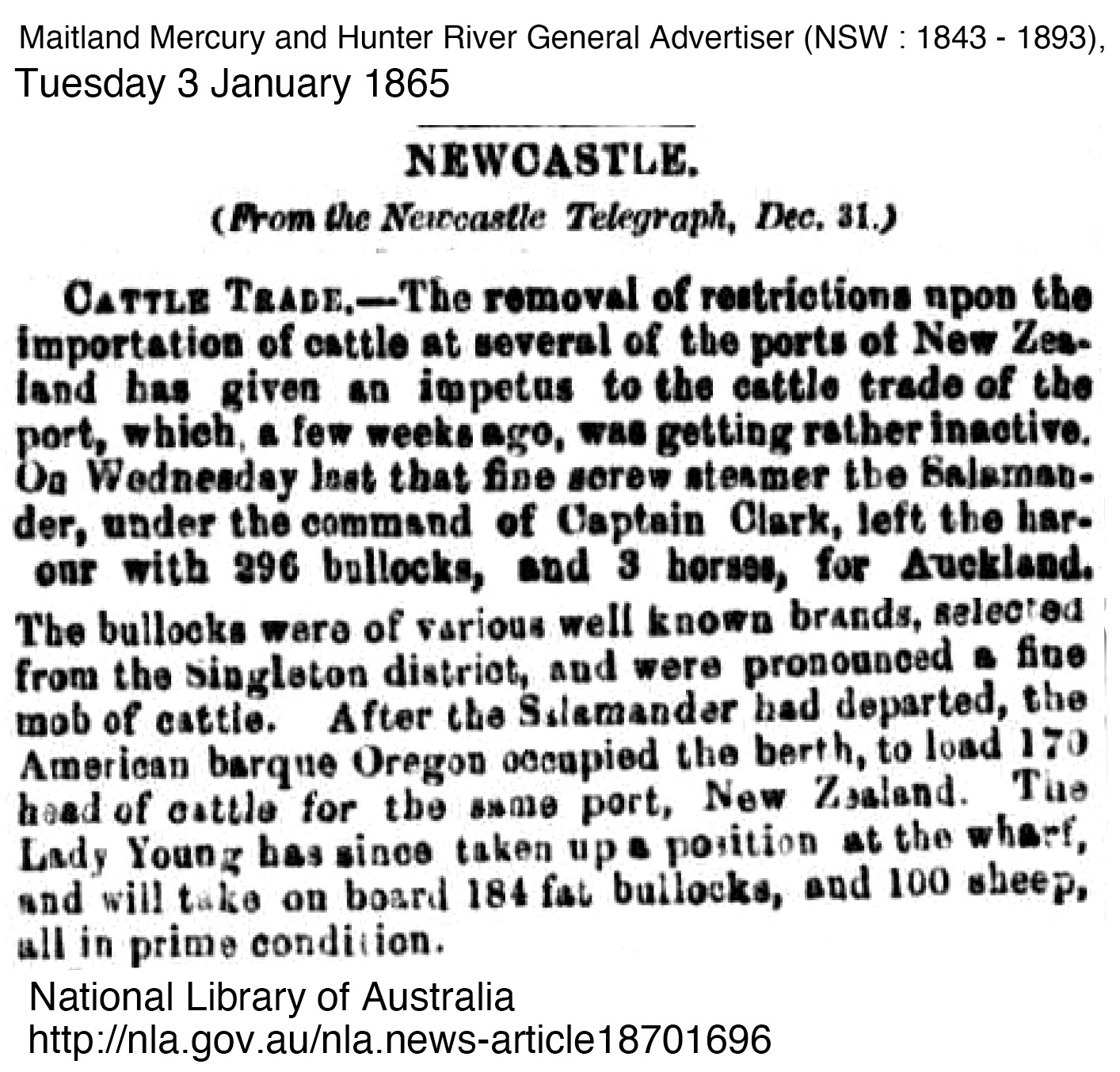
Dangar & Cobcroft – Queens Wharf – Sheep & Cattle Export
George Abner Gray states: ‘Dangar took the contract to supply cattle for New Zealand and Cobcroft to supply sheep – it was a long job. They used to have the cattle in a yard at Queens wharf … The sheep were taken in two large ships I think about fifteen thousand each.’ REF
George Abner does not specify which member of the Dangar and Cobcroft family he was referring to in his journal, but both families were involved in farming cattle and sheep in the Hunter region. There are also newspaper references to the cattle and sheep trade from Newcastle to New Zealand along with references to the Dangar and Cobcroft families in the time that George Abner would have been living at ‘the folly’.

Reminiscences – Joseph Frances Crebert – son of Peter Crebert
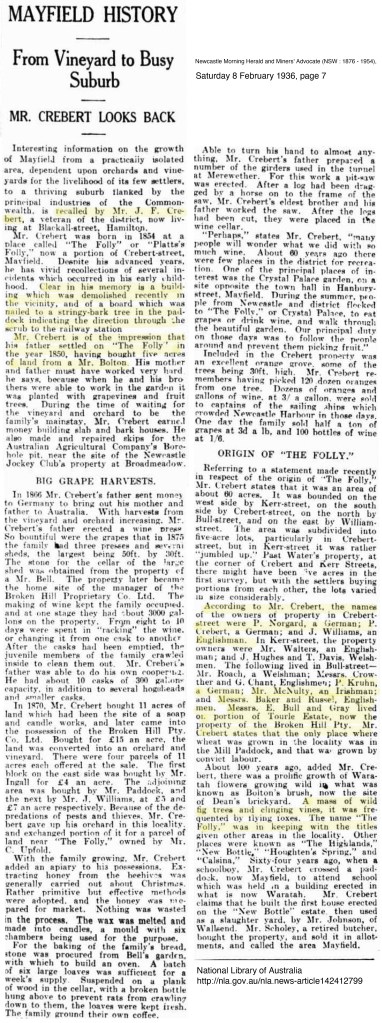
Another son of Peter Crebert another of the early settlers at the folly, recorded his ‘vivid recollections’ from his early childhood at the folly. He was born in 1855. The newspaper recorded: ‘Clear in his memory is a building which was demolished recently in the vicinity, and a board which was nailed to a stringy bark tree in the paddock indicating the direction through the scrub to the railway station.’ This is similiar to George Abner Gray’s recollection; ‘Mr Simpson had a road cut through the bush and nailed to a stringy bark tree a finger post indicating the way to Waratah’.REF2
Joseph Crebert recalls some names of the earlier settlers including his father; ‘P. Kuhn, a German, Mr McNulty, an Irishman, and Messrs. Baker and Russel, Englishmen. Messrs. E. Bull and GRay lived on a portion of Tourle Esatte now the property of the Broken Hill Pty.’
He outlines some of own family history in the article.
Mabel Winfred Grierson Reminiscences
In 1953 Mabel Grierson daughter of Georgina Gray and Thomas Grierson adds her recollections of early Mayfeld. Mabel was not born when George Gray was alive so the recollections are a generation apart but she must have acquired the information from her mother and grandmother Emma Kerr, previously Gray nee Dyer.
These include as we have seen previously that her father George Gray, a building contractor, ‘brought workmen from Sydney’ to build Waratah House.
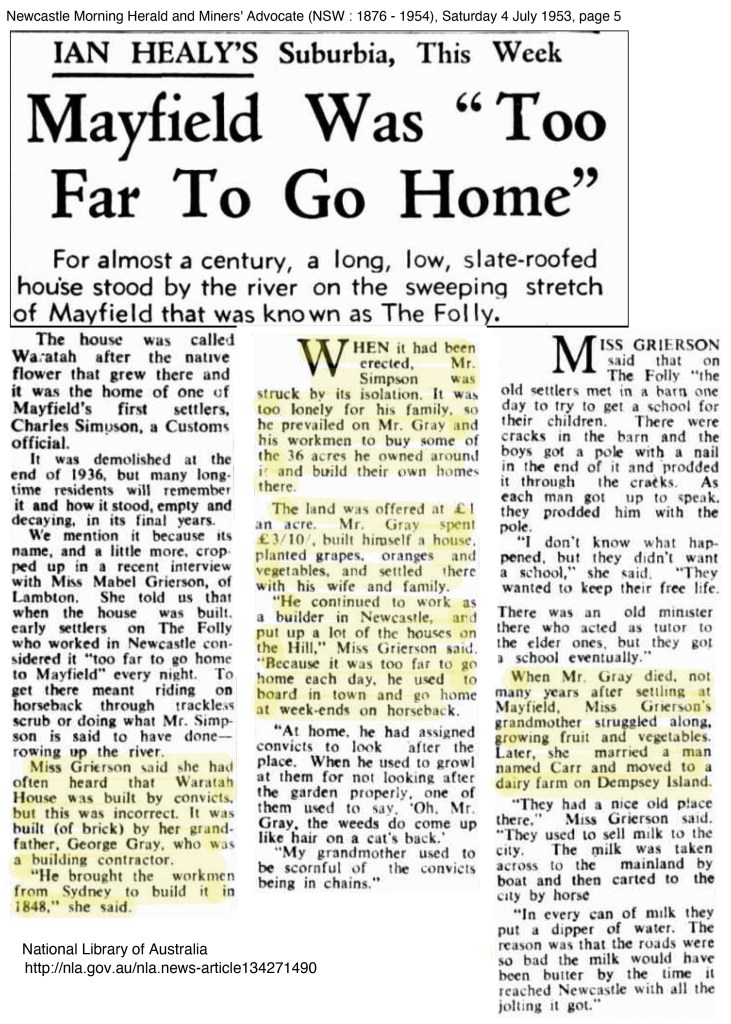
There is a little more detail: ‘When it was erected, Mr Simpson was struck by its isolation. It was too lonely for his family, so he prevailed on Mr Gray and his workmen to buy some of the 36 acres he owned around it and build their own homes.’ This seems very unlikely as a reason for Georeg Gray purchasing the property as can be seen previously Charles Simpson was selling all his property in 1854 when George Gray purchased his 3 acres. Simpson left for Sydney by the end of 1854 before returning to England.
Mable’s recalling ‘The land was offered at £1 an acre’ is also incorrect as George Gray paid £9 for his 3 acres. He did however build himself a house, quite likely prior to purchasing the land as he would have needed a home for his family to work for Simpson. We know he had vegetables and a garden, so ‘grapes, oranges and vegetables’ would likely to have been planted.
Her recollections that ‘[George Gray] continued to work as a builder in Newcastle, and put up a lot of the houses on the Hill’ may well be correct but it is very difficult to verify this information without documents. What we do know from George Abner’s journal is that ‘Father was the only one who had horses and as most of those who came up had a cow or to, I used to look after them when astray and used to go with my horse and cart with the women when they wanted wood or anything halled’ indicating that George Gray’s work as a builder needed him to have horses and the capacity for cartage.
George and Emma Gray
In the 11 years from 1850 when they married until 1861, George and Emma Gray went on to have six children;
- Georgina Grace
- b. Jun 1851 at ‘the folly’ Waratah NSW
- m: Thomas Grierson 22 Aug 1869
- d: 29 Feb 1936 Lambton NSW
- Oliphet J (Olivia Jane Grace)
- b. 7 Mar 1853 at ‘the folly’ Waratah NSW
- d: 1854
- Olive Jane Grace
- b: 1 Jan 1855 at ‘the folly’ Waratah NSW
- m: Alfred Gray 17 Apr 1877 Lambton NSW
- d: 4 Jun 1931 Chatswood, Sydney NSW
- Elizabeth May Maude
- b. 8 Jul 1856 at ‘the folly’ Waratah NSW
- m: Henry Arthur Langlands 1879 Waratah NSW
- James Walter Thomas
- b. 19 Dec 1857 at ‘the folly’ Waratah NSW
- m: 11 Jan 1879 Waratah, NSW (reg Newcastle)
- d: 21 Oct 1932 Lambton NSW
- Emma Agnes
- b. 1 Oct 1859 at ‘the folly’ Waratah NSW
- m: Soloman Hancock 7 Aug 1880 Registry Office Lambton NSW
- d: 6 Oct 1938 Cessnock NSW
Oliphet J (Olivia Jane Grace)
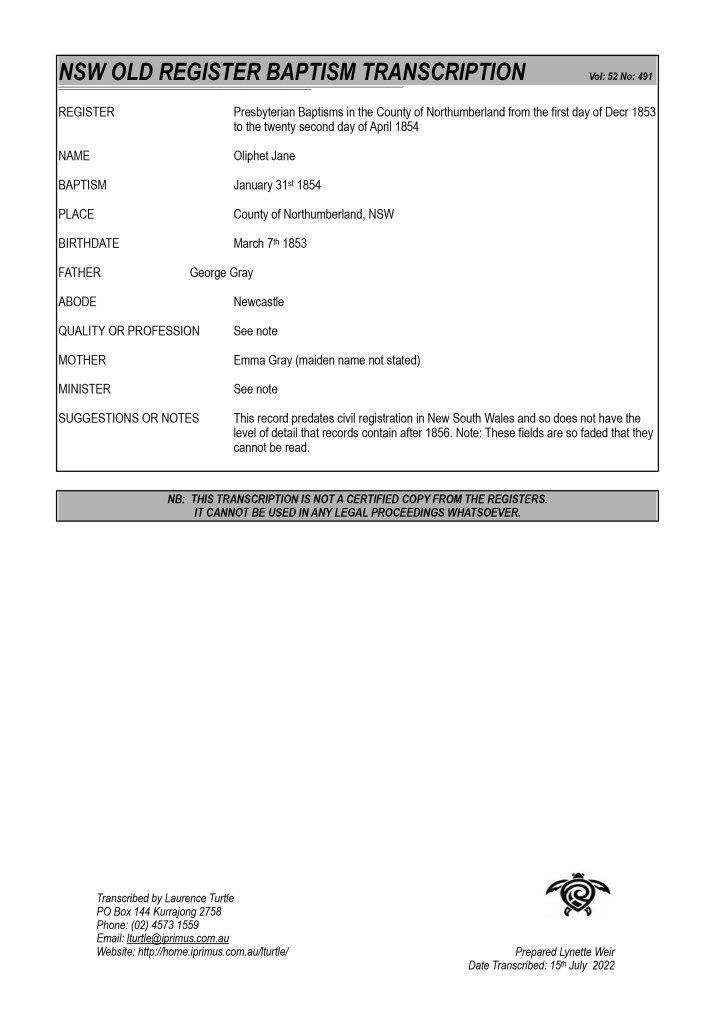
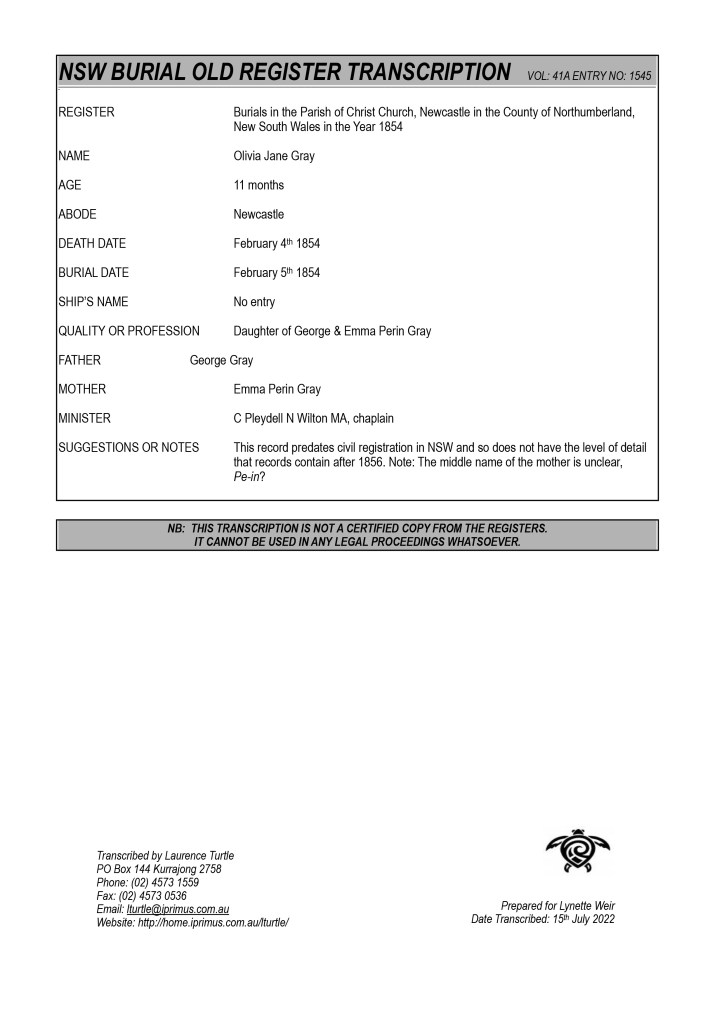
Olivia (Oliphant) Jane Gray was born on 7 Mar 1853 in Waratah. She was baptised on 31 Jan 1954 registered in the Presbyterian Baptism records. She died on 4 February 1854 and was buried on 5 February 1854 in the Christ Church Burial Grounds. She was just 11months of age. At this time the cause of death were not recorded on the certificates.
Edmund Blackett in Newcastle 1850 – 1861
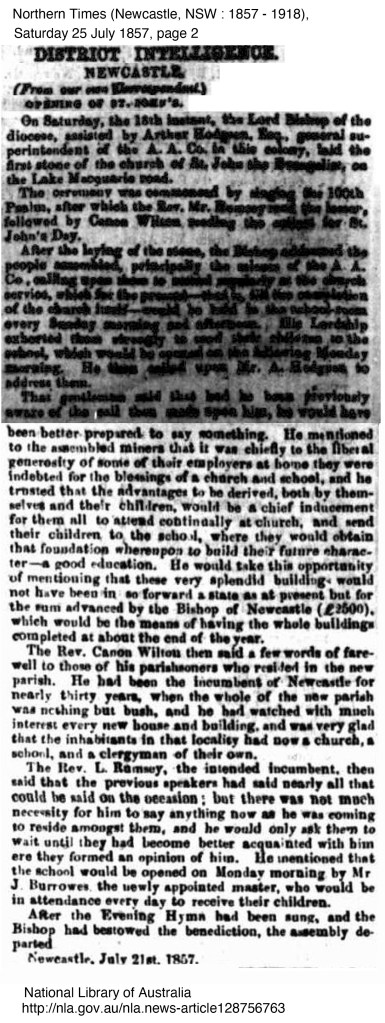
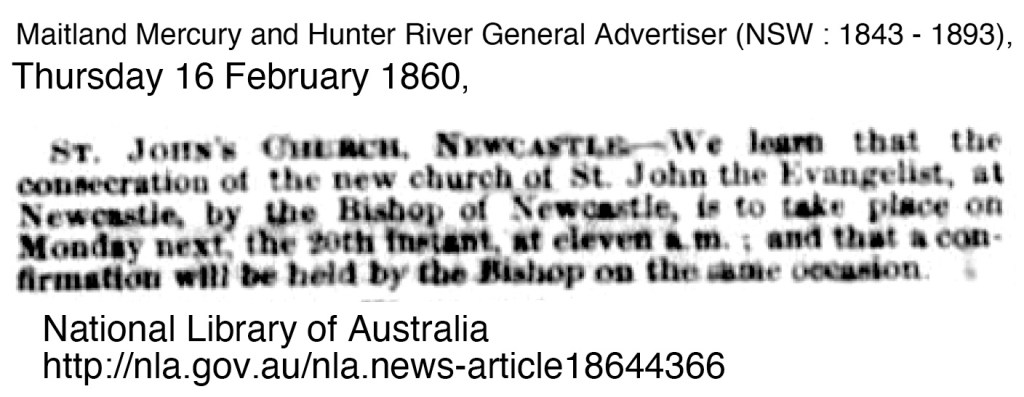
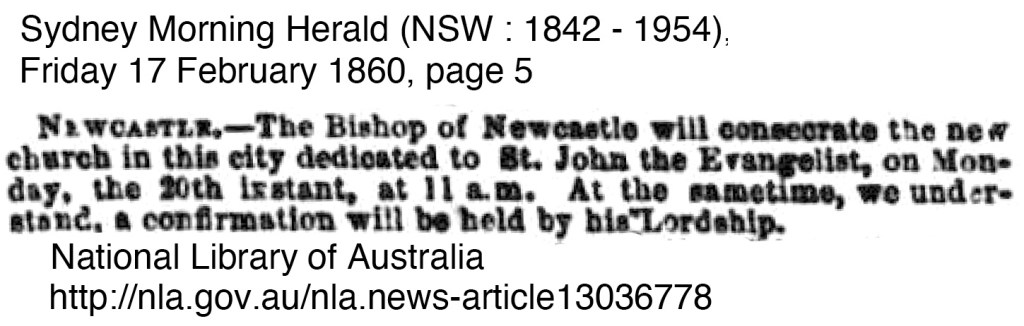
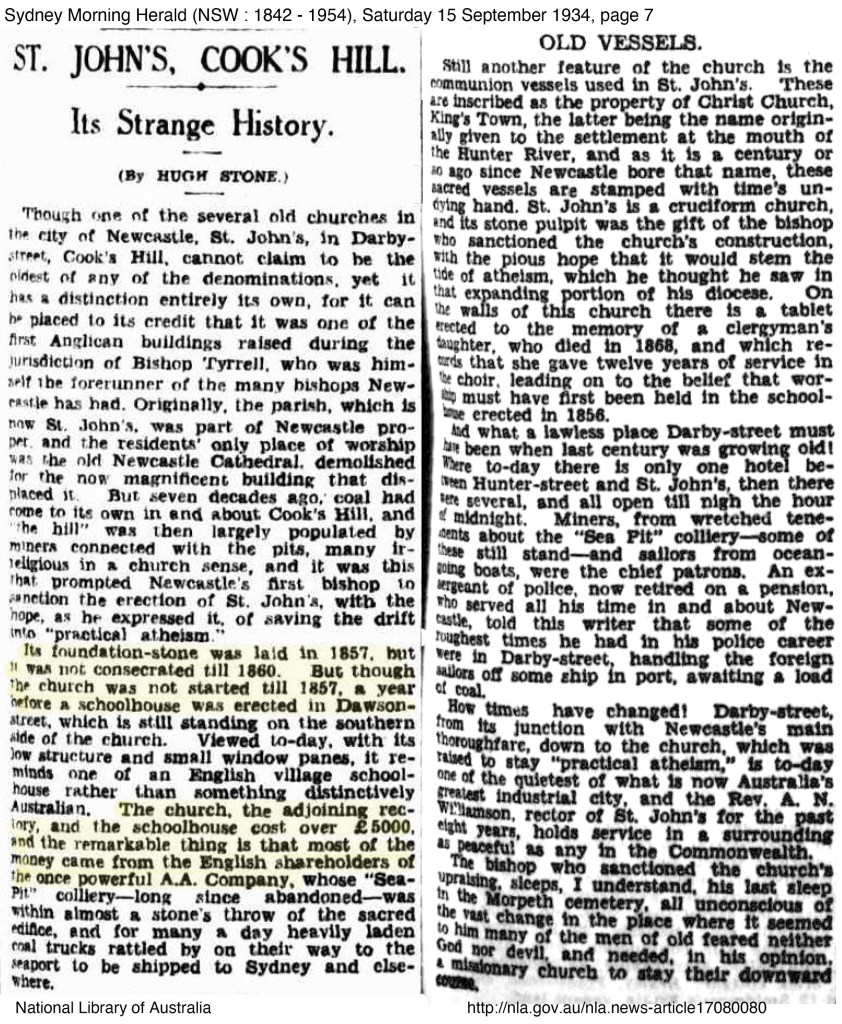
Bill Gray (the great grandson of James Walter Thomas Gray who was a son of George Gray and Emma Dyer) references the Hunter Valley Pioneer Register that he accessed a number of years ago which state that George Gray built a mansion for Simpson at the Folly. He and his cousin Bob Gray state: We are certain that George renewed his association with Mr Turner the building contractor and Mr Blackett the architect involved in the New Freugh church, and worked for them on the growing number of stately houses being built in the Folly. This time frame does align with when George Gray left New Freugh and went to ‘the folly’ by June 1852. There is to this point no documented evidence that the family story that George Gray worked for Edmund Blackett along with the contractors Turner & Co in Newcastle, this does not mean that it will not come to light in the future. Edmund Blackett is believed to have been the architect for St John the Evangelist at Cook’s Hill in Newcastle. A school was built on the site in 1856 with the church foundation stone laid in 1857 and consecrated on 20 February 1860. This time frame certainly works for George Gray being in the Newcastle district working. Unfortunately there is no mention of the builder or contractors involved with the building.
Death of George Gray 30 June 1861
However, on 30 June 1861, George Gray died aged only 43 years (his death certificate incorrectly says 42 yrs) of consumption (tuberculosis) and dilatation of the heart leaving Emma with a young family. His death certificate indicates he had heart illness for 3 years prior to his death. The witnesses at his funeral were his brother in law Edmund Bull and a neighbour William McNulty. George Abner speaks if the McNulty’s in his journal; ‘Mrs McNultie, a neighbour. had vegetable and she used to go with me in the dray. She was a darn good woman from France.’ There was an incident when her little daughter fell into a pool of water and was rescued by George Abner, so the families were quite close. George Gray is buried in the Christ Church [Cathedral] burial ground on 2 July 1861. The original burial ground headstones have been moved.
George Abner was 15 years of age when his father died; ‘Shortly after my Father died and I went into the bush to cut poles for a man named Spencer Sands – he used to help me deel and was a good man. But my stepmother and i could never agree, I expect I was a bad boy, but I always did what I could for her. I don’t think the falt was all mine for all the women round had sympathy for me and took my part at all times.’ 10
Probate records for George Gray are available at the NSW State Archives: NRS-13660-1-[14/3376]-Series 1_6289 |George Gray Date of death 30 June 1861, Granted on 9 February 1865
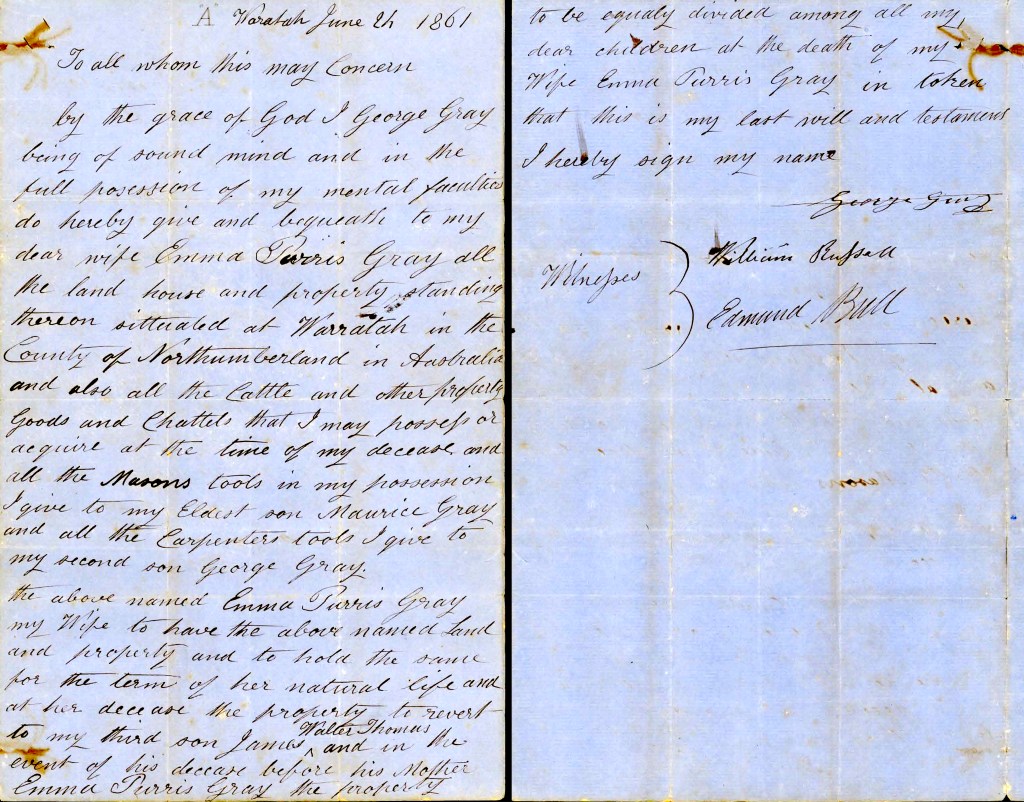
George Gray’s Will made in June 1861 not long before his death is contained in his probate records. He leaves all his property to his ‘dear wife Emma Peris Gray’ for the term of her life then to pass to their son, his third son, James Walter Thomas Gray. To his son Maurice he left his mason’s tools and to George Abner his carpenter tools. If his son James predeceased his mother property was to be divided ‘among all my dear children at the death of my wife’.
Emma Gray went on to marry David Kerr in 1865.
The property was mortgaged several times by Emma and when inherited by James Gray. Over time the equity in the property was lost along with the property. In 1893 James was declared bankrupt.
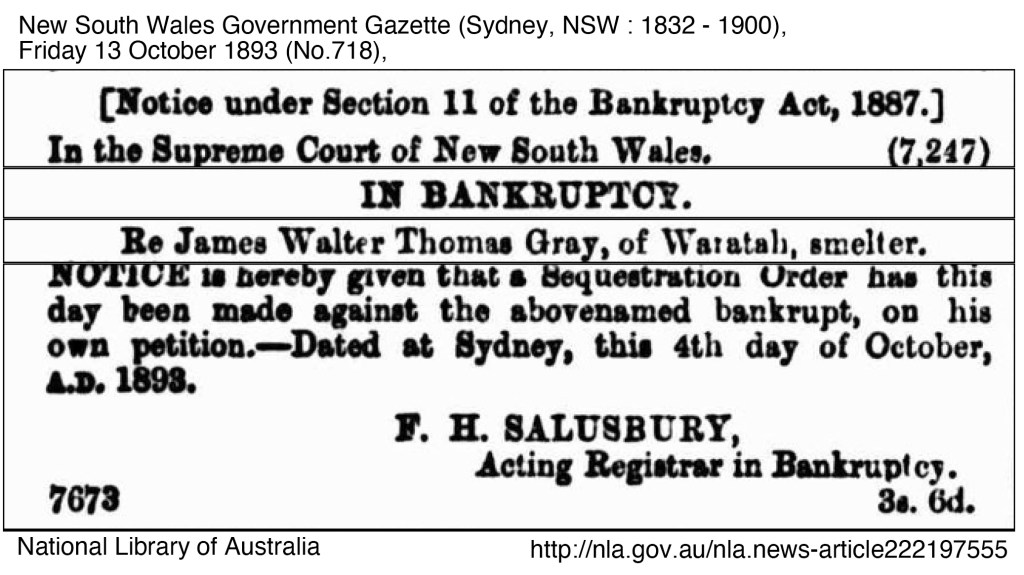
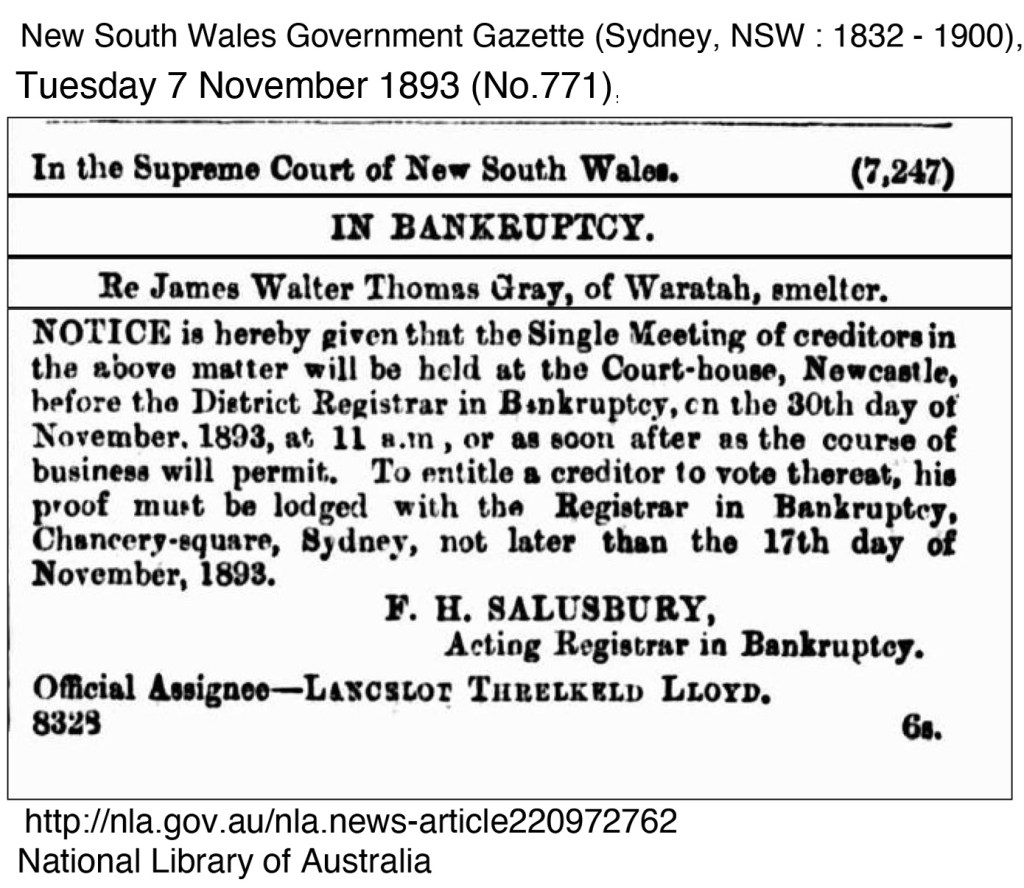
The next major move for George Abner Gray was to the Clarence River where he would settle and make his home.
References
- The Journal of George Abner Gray 1846 – 1941 from the Original Clarence River Historical Society Grafton Second Edition 1975 page 20
- The Journal of George Abner Gray 1846 – 1941 from the Original Clarence River Historical Society Grafton Second Edition 1975 page 21
- The Journal of George Abner Gray 1846 – 1941 from the Original Clarence River Historical Society Grafton Second Edition 1975 page 21
- Sydney Mail and New South Wales Advertiser (NSW : 1871 – 1912), Saturday 5 September 1885, page 511 – LAW. Supreme Court. IN ECCLESIASTICAL JURISDICTION Probate Grants
- The Journal of George Abner Gray 1846 – 1941 from the Original Clarence River Historical Society Grafton Second Edition 1975 page 21-22
- The Journal of George Abner Gray 1846 – 1941 from the Original Clarence River Historical Society Grafton Second Edition 1975 page 14
- The Journal of George Abner Gray 1846 – 1941 from the Original Clarence River Historical Society Grafton Second Edition 1975 page 20
- The Journal of George Abner Gray 1846 – 1941 from the Original Clarence River Historical Society Grafton Second Edition 1975 page 21-22
- NSW State Archives – Convict penal settlements – Newcastle Penal Settlement
- Newcastle Sun (NSW : 1918 – 1954), Monday 28 March 1932, page 4 Waratah 8 Years Ago – George Abner Gray
- The Journal of George Abner Gray 1846 – 1941 from the Original Clarence River Historical Society Grafton Second Edition 1975 page 18-19
- The Maitland Daily Mercury (NSW : 1894 – 1939)Friday 24 December 1926 – Page 4
- The Journal of George Abner Gray 1846 – 1941 from the Original Clarence River Historical Society Grafton Second Edition 1975 page 15
- The Journal of George Abner Gray 1846 – 1941 from the Original Clarence River Historical Society Grafton Second Edition 1975 page 16
- The Journal of George Abner Gray 1846 – 1941 from the Original Clarence River Historical Society Grafton Second Edition 1975 page 15
- The Journal of George Abner Gray 1846 – 1941 from the Original Clarence River Historical Society Grafton Second Edition 1975 page 23
- The Journal of George Abner Gray 1846 – 1941 from the Original Clarence River Historical Society Grafton Second Edition 1975 page 23-25
- The Journal of George Abner Gray 1846 – 1941 from the Original Clarence River Historical Society Grafton Second Edition 1975 page 22
- Newcastle Morning Herald and Miners’ Advocate (NSW : 1876 – 1954) View title info Sat 8 Feb 1936 Page 7 MAYFIELD HISTORY
- The Newcastle Sun (NSW : 1918 – 1954)Monday 28 March 1932 – Page 4
- Newcastle Morning Herald and Miners’ Advocate (NSW : 1876 – 1954) View title info Sat 8 Feb 1936 Page 7 MAYFIELD HISTORY
- Newcastle Morning Herald and Miners’ Advocate (NSW : 1876 – 1954)Saturday 4 July 1953 – Page 5
- Newcastle Morning Herald and Miners’ Advocate (NSW : 1876 – 1954)Saturday 4 July 1953 – Page 5
- Newcastle Morning Herald and Miners’ Advocate (NSW : 1876 – 1954)Saturday 4 July 1953 – Page 5
- Newcastle Morning Herald and Miners’ Advocate (NSW : 1876 – 1954)Saturday 4 July 1953 – Page 5
- The Journal of George Abner Gray 1846 – 1941 from the Original Clarence River Historical Society Grafton Second Edition 1975 page 18
- The Journal of George Abner Gray 1846 – 1941 from the Original Clarence River Historical Society Grafton Second Edition 1975 page 23
- The Journal of George Abner Gray 1846 – 1941 from the Original Clarence River Historical Society Grafton Second Edition 1975 page 25
 George Gray - Stonemason & Builder